Latest Articles by Paul Gipe
By
Paul Gipe
2027 Chevy Bolt Six-Month Update Including Update on Odd Noise Issue and Tesla Plug & Charge
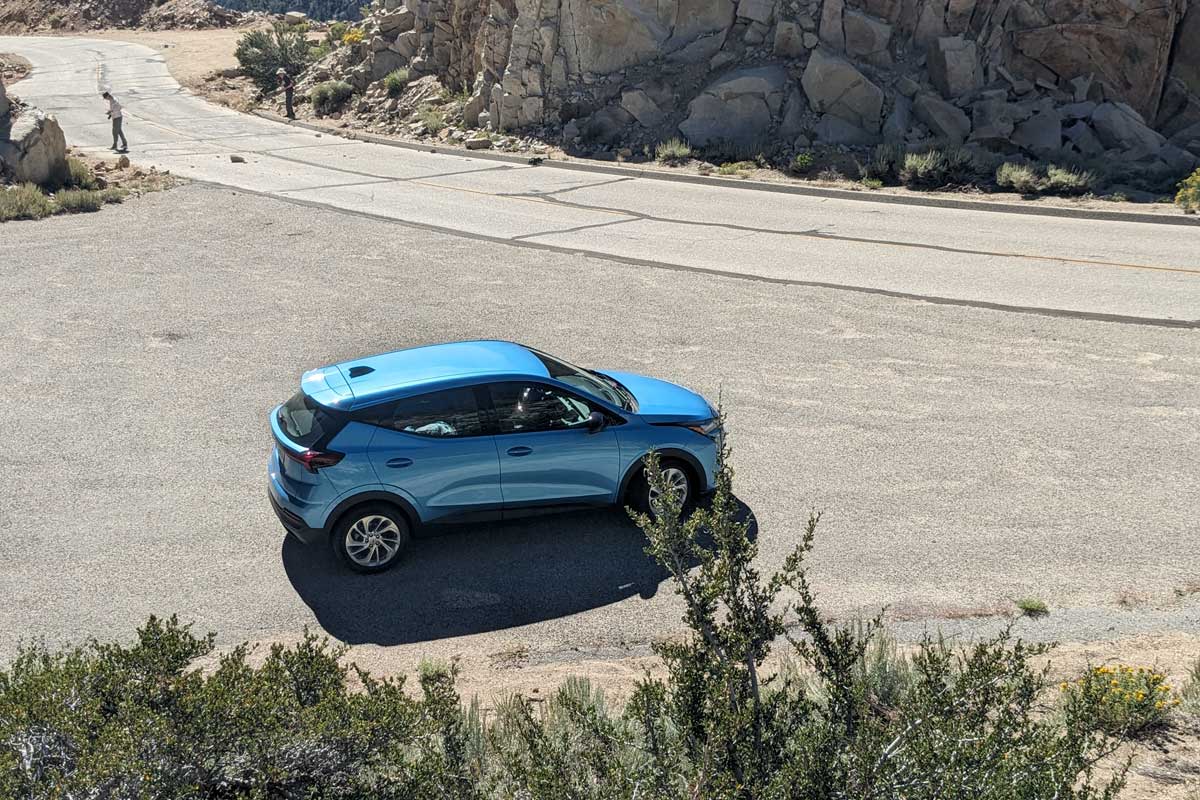
After more than six months of driving the 2027 Bolt, I feel comfortable with the car and have made all the adjustments necessary for the car to work the way I want it to. The software that controls the interface between the driver and the vehicle in modern cars is …
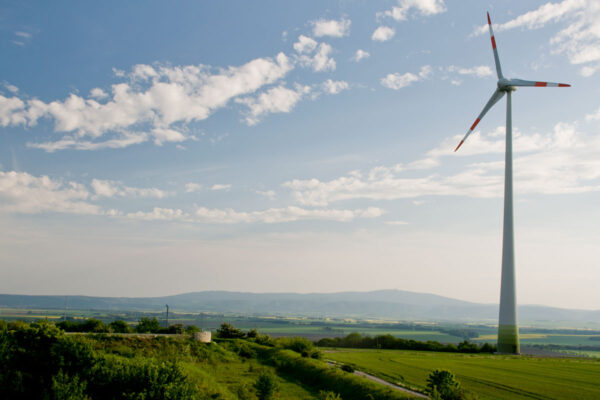
In what was once unthinkable, renewable energy from sun, wind, water, and biomass has generated 59.1 percent of German electricity during the first half of 2026. Renewables generated 136 TWh of the 221 TWh generated in Germany during the period. Wind turbines generated nearly 68 TWh, and solar generated 41 …
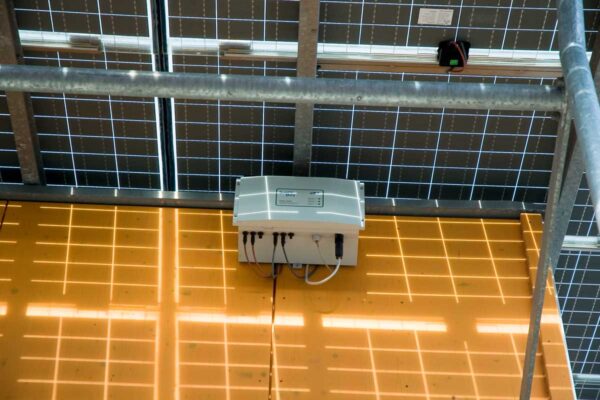
Balcony solar, or plug-in solar for us Yankees, may actually become a thing in California. The state legislature passed plug-in solar legislation this August and sent the law onto Governor Newsom for his signature. (See California Legislature passes balcony solar bill.) There’s no word from Newsom’s office on whether he will …

Because I write about our experience owning EVs, I sometimes get a query “over the transom” as we say, asking for help or for an explanation. Recently I got a query from someone who just bought a 2027 Bolt. It wasn’t just a new car to them, it was their …

Uptime Tech News (uptimetechnews@substack.com) recently reported bids for both onshore and offshore wind in Great Britain. “In what is expected to be a successful tactic to keep projects on track and “focus on competitive price outcomes,” the UK government announced that maximum strike prices in AR8 will be the same …
Other Articles
188 months of US plug-in vehicle sales, December 2010 to July 2026, taken from the Department of Energy laboratory that publishes them. The share of the new-car market peaked at 12.94% in September 2025 — the month the federal tax credit closed — and has fallen in every month since, measured against the same month a year earlier.
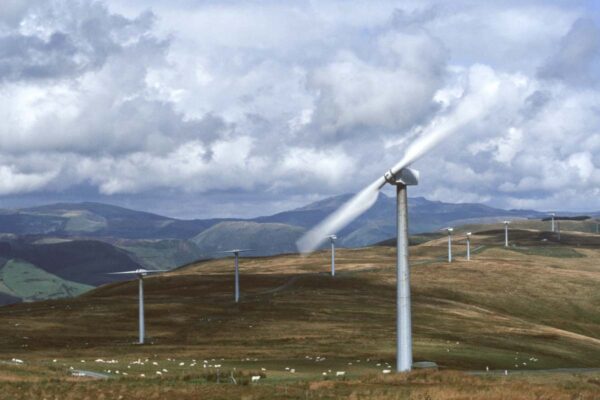
The promise from ministers is cheaper, cleaner power with the money reinvested at home. The reality check comes with it: the company would not take over your gas and electricity supply, would not set the price you pay, and any saving on bills is a long-term hope rather than help for this winter. What is on the table is one national public energy company, bringing together the energy organisations Wales already has, and everyone in Wales is being asked how it should work before the plans are settled.
Accidents & Safety
I’ve been concerned about safely working with wind energy since 1976 when I nearly killed myself taking down a 1930s-era windcharger. While wind energy is an environmentally beneficial technology–and that’s the reason we need to use it–it can and has killed. Consequently, I’ve been tracking fatal accidents in wind energy since I wrote an obituary for a colleague, Terry Mehrkam, in 1981. For this reason, my books on wind energy have always included a section on safety.

Lessons from the Death of Terry Mehrkam
By
Paul Gipe
I knew Terry Mehrkam. I wrote about him. I also wrote his obituary. I hope I never have to write another obituary about someone working on a wind turbine.
Vanessa Skarski’s Account of Her Father’s Death on a Small Wind Turbine
By
Paul Gipe
Robert Skarski died in 1993 while installing a small wind turbine at his Illinois home. He was killed when the tower he was on buckled and fell to the ground.
Thoughts on Doing It Yourself
By
Paul Gipe
Adapted from the book Wind Power: Renewable Energy for Home, Farm, and Business. When I wrote my first book …
Man Falls to Death from E66 in Germany
By
Paul Gipe
On October 16, 2003 a 25-year old technician fell inside a 100-meter tall Enercon E66 tower, struck his head, and died according to an account in a local German newspaper. The man, unnamed in the Prinzitger Zeitung article, was performing warranty service on a ladder when he fell.
Tower Climbing Safety
- Ellis Fall Safety Solutions (fallsafety.com)
- Introduction to Fall Protection, Fifth Edition, Print/Digial Bundle, American Society of Safety Engineers by J. Nigel Ellis, Ph.D., CSP, P.E., CPE
- Before Climbing That Tower by Mick Sagrillo; a checklist before climbing a guyed-lattice tower to perform an inspection of a small wind turbine.
- Draft Best Practices in Small Wind: Tower Climbing Safety by Mick Sagrillo; background on the Tower Climbing Safety document developed by the Small Wind Conference and small wind turbine installation professionals.
- RenewablesUK (Great Britain): Working at Height and Rescue–Wind Turbines Standard
Safety
In 2013 I pulled together some links to documents on safety relative to the wind industry. These topics went beyond simply tower climbing safety and safety at height and included work around rotating machinery and other common industrial hazards. Unfortunately, the industry has changed dramatically in the past decade. Most safety documents once freely available are now securely hidden by paywalls. Moreover, even the wind energy trade associations where these documents were once located have ceased to exist, merging with other renewable trade associations. Some of the British documents are still available and I’ve provide links to them. I found one public document on the off shore industry in the USA.
Europe
Great Britain
- RenewableUK: Health & Safety
- Training (for members only)
- Wind Turbine Safety Rules
North America
USA
Contact the Clean Power Association.
Worker Health and Safety on Offshore Wind Farms, Transportation Research Board, 2012.
Canada
Contact the Canadian Renewable Energy Association.
Mortal Accident Summary
I no longer actively track deaths in the wind industry. However, I will update my data as it becomes available. Below is a presentation updating my statistics to 2020. Also below is a link to the original article. For a complete analysis see Chapter 17 in my most recent book Wind Energy for the Rest of Us.
- Wind—the Breath of Life or the Kiss of Death: Analysis of Wind Energy Fatalities, 15 April 2021. Presentation to Winterwind 2021 21 April on a Comparison of Wind’s Fatalities to that of Other Industries.
- Wind Energy — The Breath of Life or the Kiss of Death: Contemporary Wind Mortality Rates, 6 December 2012 update. The original article appeared in the fall of 2001.
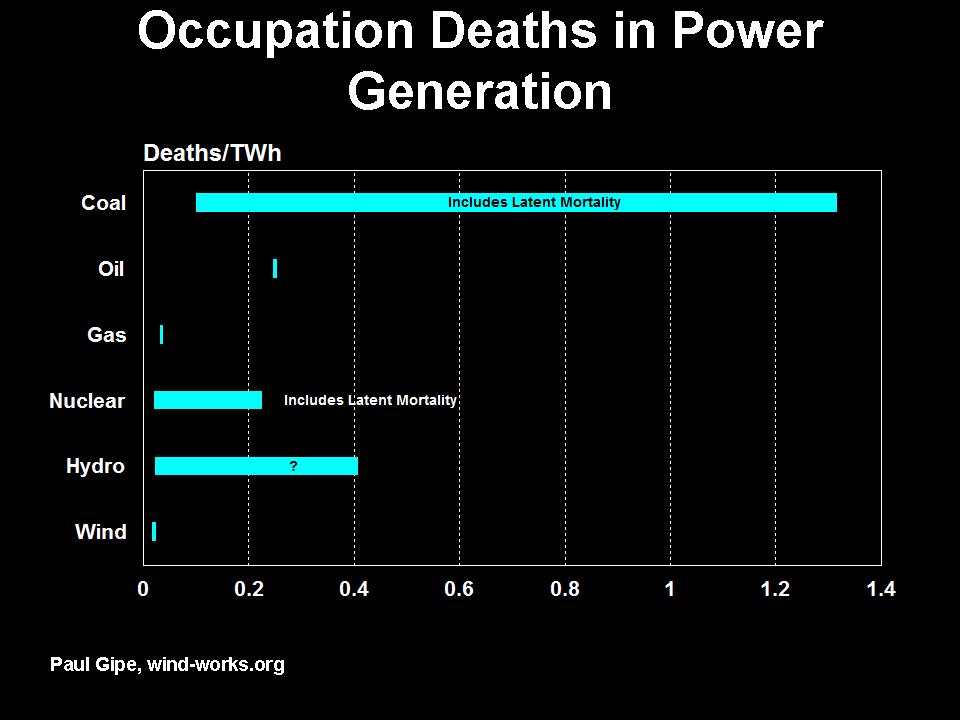

Note that the spreadsheet has six tabs. This is only the summary page and does not include all the data on the summary page.
My Deaths Database is publicly available. Simply ask for it.
History of Wind Power

Growian I and II: Germany’s Giant Failure
By
Paul Gipe
During the late 1970s Germany’s ministry for technological development BMFT (Bundesministerium für Bildung und Forschung) called Ulrich Hütter out of …

Rare Footage of Growian I and II Wind Turbines Posted
By
Paul Gipe
I’ve extracted rare footage of Growian I and II wind turbines from a promotional video by Nordex. The footage from …

Films and Videos of Historic Wind Turbines from 1925 to the Present
By
Paul Gipe
I’ve uploaded a series of films on historic wind turbines in operation to the Internet Archive. To help me keep track of them, I’ve posted the links and a short summary here. I’ve included some films in this list that are on YouTube.com as the provenance isn’t clear. Of course videos of operating wind turbines are quite common now, so I am limiting this list to those of historic interest.
Kaiser-Wilhelm-Koog 2025 Update
By
Paul Gipe
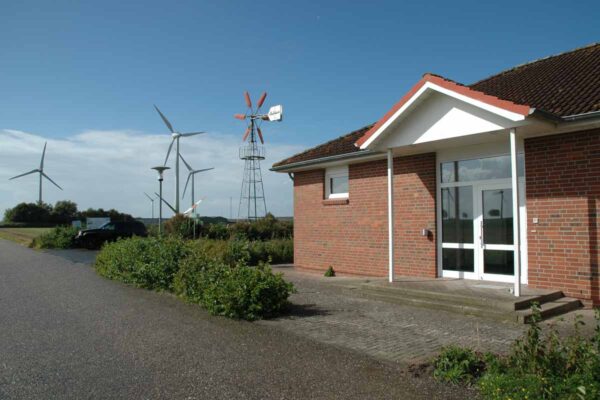
Kaiser-Wilhelm-Koog is famous in the annals of wind energy. The polder in Schleswig-Holstein’s Dithmarshen kreis hosted Germany’s first wind farm …

Pintles, Kingpins, & Slewing Rings: The Evolution of Yaw
By
Paul Gipe
While researching material for an article on the 100 kW Soviet wind turbine at Balaklava, Etienne Rogier sent me an …

Testing the Dowsett Wind Turbine on the Isle of Man in the 1960s
By
Paul Gipe
Were there two wind turbines tested on South Barrule on the Isle of Man in the early 1960s, not just …
History of Wind Power in North America
- Wind Energy in America: A History by Robert Righter-“The free benefit of the wind ought not be denied to any man.”
- Paul Gipe Wind Energy Comes of Age, John Wiley and Sons, 1995 ISBN 047110924X, Chapter 3
- Specific Rated Capacity of Wind Turbines in the 1980s–I am posting this data for its historical context and because the question of specific capacity has come to the fore as wind turbine manufacturers are now offering IEC Class IIIA turbines with very low specific capacities or, conversely, very high specific areas.
- A Wind Energy Pioneer: Charles F. Brush, Vindmølleindustrien (Danish Wind Industry Association)–po Dansk, 2001, pages 15-17.
- Hybrid Electric Home by Craig Toepfer–This is the kind of book I envision Mick Sagrillo diving into with its archival photos and illustrations not only of the early days of electricity but also the early days of small wind.
- A Bold Effort in Vermont: The 1941 Smith-Putnam wind turbine by Carl Sulzberger–This issue of the IEEE Power & Energy Magazine is the third biennial issue having wind-produced electrical energy as its theme. As with the earlier two issues, a major focus is the integration of wind power plants into electric utility systems.
- Reaping the Wind: How Mechanical Wizards, Visionaries, and Profiteers Helped Shape Our Energy Future by Peter Asmus a Review by Paul Gipe–Timing is everything. And Peter Asmus couldn’t have better timed the release of his book about the rise and fall of California’s wind industry. Just as California entered its first rolling blackouts this spring, Reaping the Wind (Island Press) entered distribution.
- A Field Guide to American Windmills by T. Lindsay Baker 1985–The definitive history of the American farm windmill. . .
- Windcharger.com–The purpose of this website is to provide a virtual meeting place for all people interested in the history and preservation of the wind powered battery generators known by the brand name “Wincharger” and originally manufactured in Sioux City, Iowa.
- Brief History of Windmills in the New World by T. Lindsay Baker is a web page written by the authority on American or “Chicago” water-pumping windmills.
- Solar Energy Research Institute’s Wind: An Energy Alternative (1980)–American Wind History Video. Almost corny by today’s standards. Opens with the Terry Mehrkam’s Dorney Park turbine before switching to DOE’s Mod 0A turbine at Clayton, New Mexico. Includes vintage footage of the Smith-Puthnam turbine operating atop Granpa’s Knob near Rutland, Vermont.
- Illinois Windmills–Web site dedicated to describing the historic windmills of the state of Illinois.
History of Wind Power Internationally
- An overview of the history of wind turbine development: Part I—The early wind turbines until the 1960s in Wind Engineering, an imprint of Sage Journals.
- An overview of the history of wind turbine development: Part II–The 1970s onward in Wind Engineering, an imprint of Sage Journals.
- Wikipedia: History of Wind Power
- Die Geschichte der Windenergienutzung 1890-1990 (The History of Wind Energy Utilization 1890-1990) by Matthias Heymann–Like Righter in his Wind Energy in America, Heymann places the development of wind energy in its historical context, that is, within the political currents of the day. In his description of Danish development of wind energy, for example, Heymann places Poul la Cour, the Danish Edison, within the social context of the religious philosophy espoused by Grundtvig and exhibited in the folk high school movement that is still a part of the Danish cultural landscape. . .
- Wind Power The Danish Way A Review by Paul Gipe–Wind Power The Danish Way: From Poul la Cour to Modern Wind Turbines is a book written by a who’s who of Danish wind power. It’s a celebratory book and Danes have a lot to celebrate–a lot to be proud of. Yes, they have given the world modern wind power. But more than that, Danes have given the world another way of developing wind power too. This is often overlooked in our eagerness to talk about the growth of the technology, exciting as it is. . .
- Winds of Change: A comparative study of the politics of wind energy innovation in California and Denmark–Winds of Change by Rinie van Est is a masterly work of meticulous research that could well become a classic in its field. It should be required reading for all energy planners, and energy industry leaders alike. . .
- Windgesichter (The Face of Wind Energy) a Review by Paul Gipe–Windgesichter: Aufbruch der Windenergie in Deutschland (The face of wind: Dawn of wind energy in Germany) by Jan Oelker is a joy to behold. It’s one of those rare cases where you can indeed tell a book by its cover. . . No serious library of wind energy anywhere should be without this pictorial essay of the beginning of modern wind energy in Germany. . .
- Wind-Catchers: American Windmills of Yesterday and Tomorrow by Volta Torrey 1976–This is an engagingly written history of wind energy in the United States with chapters on the Smith-Putnam wind turbine, the American water-pumping windmill, and 1970s pioneers of modern wind turbines. . .
- Winds of Change–25 years of Wind Power development–A story in photos from the years 1975 – 2000 presented by early blade manufacturer Erik Grove-Nielsen. . .
- The International Molinological Society (TIMS)–The International Molinological Society (TIMS) is the Society which fosters worldwide interest and understanding of wind, water and animal-driven mills. . .
- Review of Historical and Modern Utilization of Wind Power by Per Dannemand Anderson, Risø
- Wind Turbine History in Denmark–To make sure that this knowledge was not lost, the Folkecenter, together with the Danish Energy Museum, the Poul la Cour Museum and the Danish Historic Wind Turbine Association, have developed a series of brochures explaining the steps the industry went through in its development. The result of 14 years of research in the archives resulted in the publication of 12 illustrated brochures.
- Vind Historie with Preben Maegaard, Nordisk Folkecenter for Vedvarende Energi–One hour long video of the late Preben Maegaard discussing wind energy artifacts in the Folkecenter’s collection po Dansk (in Danish).
- L’électricité éolienne de la Belle Epoque à EDF by Etienne Rogier on pages 8-20 is a brief history of wind energy in France.
- L’aérogénérateur 800 KVA BEST – Romani is devoted to the 640 kW Best-Romani wind turbine built and tested by EDF in the 1960s in French and English.
- Energie Eolienne Principes et Etudes de cas by Marc Rapin and Jean-Mark Noël, Dunod, France, 2010, 304 pages, 170×240 mm, ISBN : 9782100508013, 59 €, www.dunod.com. The book is also available electronically and includes an excellent and comprehensive history of wind energy in France, including many photographs.
Museums with Wind Exhibits
Museums often have extensive permanent collections and only display a small portion at any one time. Museums frequently change their exhibits and that is the case below. The museums noted here have all changed their exhibits since I last visited. Some have created “virtual” exhibits, and these I’ve noted.
- York County Heritage Trust, York, Pennsylvania contains a collection of shop models, photos, log books, and other records of the Smith-Putnam turbine. Tour their virtual exhibit Energy Awaits: The Smith-Putnam Wind Turbine and the Beginning of Modern Wind Energy in America.
- Deutsches Technikmuseum Berlin–held a superb exhibit on wind, meteorology, and early wind energy technology “WindStärken” that ran through October 2013.
- Museo Nazionale della Scienza e della Tecnologia “Leonardo da Vinci”–The Milan technical museum had an exhibit of a 5 kW Riva Calzoni one-bladed wind turbine in the basement in the 1990s. . .
- Panhandle-Plains Historical Museum on the campus of Texas A&M University in Canyon, Texas. At one time they featured the “Capture the Wind” exhibit. In 2023 they had a virtual exhibit titled simply Windmills. They also have an extensive literature archive collected by T. Lindsay Baker.
North American Open-Air Museums
- American Windmill Museum–An open air museum for more than 160 American style water pumping windmills in Lubbock, Texas.
- Mid-America Windmill Museum–The museum in Kendalville, Indiana initially focused on water-pumping windmills manufactured by the Flint and Walling Company. The museum has since expanded its display to 52 windmills including an accurate reconstruction of an English post mill.
- Kregel Windmill Factory Museum–This is a museum in a former water-pumping windmill factory in Nebraska City, Nebraska that built the Eli brand windmill.
- Batavia Historical Museum Windmills–Several original Batavia, Illinois manufactured windmills have been erected along Batavia’s Riverwalk.
- Shattuck Windmill Museum Park–37 vintage water-pumping windmills are on display in Shattuck, Oklahoma at the junction of Highways 283 and 15.
- Windmill State Recreation Area–State recreation area in Gibbon, Nebraska with exhibits of Eclipse water-pumping windmills.
- Etzikom Museum & Canadian Historic Windmill Interpretive Centre is south of Medicine Hat in southeastern Alberta.
- JB Buchanan Vintage Windmill Collection, Spearman, Texas.
European Open-Air Museums
There’s nothing like walking among the operating windmills of Zaanse Schaans in the Zaan district of Noord Holland, or strolling among the vertically-jutting blade sculpture at the Folkecenter for Renewable Energy in Denmark to gain a sense of the importance of wind in European–and thus Western–culture. For the avid wind aficionado and the scholar alike, I strongly suggest putting one of the many open-air museums in Europe on your travel itinerary. Some we discovered by serendipity others we searched out. All were worth the effort.
Note that in most western European countries there are national “windmill” days where many of the historical windmills are open to the public. Many now include some modern wind turbines as well. Often the national windmill day is the second Saturday in May though this may vary by country. In Germany, Deutscher Mühlentag is held on Whit Monday or Pfingstmontag in German. In 2023 Whit Monday was 29 May.
- Museum Park, Deutsches Technikmuseum Berlin, Germany displays a historic stage mill, a mechanical farm windmill, and a micro wind turbine.
- Schloss Sanssouci Berlin displays a reconstructed stage or gallery windmill that has served the palace (Schloss) since 1787. It was a mill on this site that served in the famous legend of the Miller of Sanssouci who challenged kingly power.
- Windmill Blade Expo at the Folkecenter for Renewable Energy in Jutland, Denmark.
- Showroom for historical Danish wind turbines at the Folkecenter for Renewable Energy in Jutland, Denmark–An extensive collection of wind turbine drive trains from the early days of Danish wind power.
- Poul la Cour Museum–The museum is situated in the historical buildings where Poul la Cour, affectionately called the Danish Edison by Danes, conducted his research into wind energy and hydrogen storage. The site is the cradle of modern wind energy.
- Energimuseet Vindkraft–The museums’ open-air exhibits include the original nacelle from the famed Gedser mill designed by Johannes Juul, an erect Riisager machine from the rebirth of Danish wind energy in the late 1970s-early 1980s, a cut-away wind turbine blade and more.
- Frilandsmuseet–The Open Air Museum north of Copenhagen is one of the largest and oldest in the world. Spread across 86 acres of land the museum houses more than 50 farms, mills and houses from the period 1650-1950.
- Museummolen Schermerhorn–Open air museum of the polder mill on the Schermer polder in Noord Holland (north of Amsterdam).
- Germania (molen)–Platform grain grinding mill in the province of Groningen, the Netherlands. One of the more than 1,000 windmills in the Netherlands that are periodically open to the public.
- Internationales Muhlenmuseum–in Gifhorn, Niedersachsen, Germany has 13 different windmills on display, including a Greek sail windmill.
- World Heritage Site of Kinderdijk–The nineteen windmills of Kinderdijk illustrate the way the Dutch have used windmills to drain the polders that have made the Netherlands what it is today. Kinderdijk is most likely the world’s oldest wind farm and was in use into the 1950s.
- De Vereniging Zaanse Molen–No tourist trip to the Netherlands is complete without a visit to Zaanse Schans and the working windmills of the Zaan district. The Society of Zaan Mills was founded in 1925, beginning with the restoration of the oil mill De Zoeker. Three years later, they opened the Mill Museum at Zaanse Schans. Now, nearly a century later, the Society possesses 12 industrial windmills, representing an important part of Dutch cultural heritage and to this day still define the Zaan skyline.
- Museumdorf Cloppenburg is south of Oldenburg in Niedersachsen, Germany.
- Nederlands Openluchtmuseum–Open Air Museum in Arnhem, Gelderland, the Netherlands.
- Mola – het Provinciaal Molencentrum–East Flanders windmill museum in Belgium with four restored windmills.
- Wind Energy Museum Norfolk Great Britain–The museum is closed in 2023. The collection depicts the evolution of polder drainage in what’s called the “Broads.” The technology for the mills and how to use them was imported from the Netherlands.
- Deutsches Windkraftmuseum–Begun in 1997, the museum seeks to preserve some of the early electricity-generating wind turbines from the 1980s and 1990s in northern Germany. While the exhibits focus on German development of wind technology, the museum includes a Lagerwey, an early Dutch machine, early Danish wind turbines, and some American-made wind turbines as well, including a Kenetech drive train and a Bergey small wind turbine.
- Allemolens.NL–Web site listing the location of every windmill in the Netherlands from the smallest mechanical wind pump to the giant polder draining windmills and to the multi-story stage windmills for grinding grain. They even include a few modern wind turbines as well. In Dutch.
- Dutch Windmill and Watermill Database–Working historic windmills and watermills of the Netherlands with a searchable database and interactive map. The map identifies individual windmills and when they are open to visitors. The home page is in English, map data is in Dutch but understandable to English-speakers.
- La route des moulins–Interactive map and list of windmills and watermills by region with a description of the specific mill in French. Includes a description of the Centre Molinologique.
- Deutsche Gesellschaft für Mühlenkunde und Mühlenerhaltung–The German society for the preservation of wind and water mills. They too have an interactive map of the mills throughout the country. The map can be searched by town, village, or state. The detailed data includes the type of mill and its construction.
Other Open-Air Museums
- Fred Turner Museum in Loeriesfontein, South Africa displays 27 water-pumping windmills.
- Morawa District Historical Society and Museum–The small rural town of Morawa with its museum is approximately 400 kilometres north of the state capital Perth, in the northern wheatbelt of Western Australia. The Morawa Museum’s collection of Australian made and imported windmills consists of over 50 different models in various states of restoration.
- Penong Windmill Museum–Penong, South Australia, includes the Comet, Australian-made, railroad water pumping windmill.
- De Molen, Dutch Windmill–Foxton, New Zealand. De Molen is a full size 17th century replica Dutch windmill.
July 1887: James Blyth Harnesses the Wind for Electricity
By
Daniel Garisto
Nearly a century before anyone thought seriously about wind-powered electricity, a Scotsman named James Blyth built the world’s first wind turbine in his front yard. “When a good breeze was blowing, I stored as much in half a day as gave me light for four evenings,” he wrote.

German Wind Power Museum Adds Voith Blade from the Early 80s
By
Paul Gipe
Arne Jaeger reports that the Deutsches Windkraftmuseum (the German Wind Power Museum) has obtained one of the two blades used on the Voith 520 wind turbine developed in Germany during the late 1970s and tested in the early 1980s.
Update on Betz: Everything You Need to Know about Wind Turbines Was Written in 1927
By
Paul Gipe
Herr Fedor Seidler has forwarded a link to several lengthy documents summarizing the work of Albert Betz, Ludwig Prandtl, and their colleagues at the University of Göttingen.

Smith-Putnam Stressed Skin Blades and Bridge Construction Spar
By
Paul Gipe
Included in the correspondence from Palmer Putnam to Herman Drees is a letter from Richard Heckscher who was involved in blade development on the Smith-Putnam project. (See Palmer Putnam to Herman Drees Letter Reveals Emphasis on Swept Area.) Hecksher had alerted Putnam to the work of Herman Drees in developing Drees’ Cycloturbine.

Palmer Putnam – Herman M. Drees Correspondence 1979
By
Paul Gipe
18-page scan of documents in the archives of Wally Thompson of correspondence from Palmer Putnam to Herman Drees in 1979.

Palmer Putnam to Herman Drees Letter Reveals Emphasis on Swept Area
By
Paul Gipe
Wally Thompson forwarded to me some fascinating correspondence from Palmer Putnam to Herman Drees of Pinson Cycloturbine fame.
