News & Articles on Electric Vehicles
We’ve made great strides in moving the electricity sector toward renewable energy. However, transportation remains a major source of air pollution and global warming gases. If we are to make a transition to renewable energy, we will need to electrify as much of the economy as we can, including transportation. Electrified rail is one means, electric vehicles (EVs) are another. The focus here is mostly on our experience driving EVs. We’ve been driving electric since the fall of 2014.
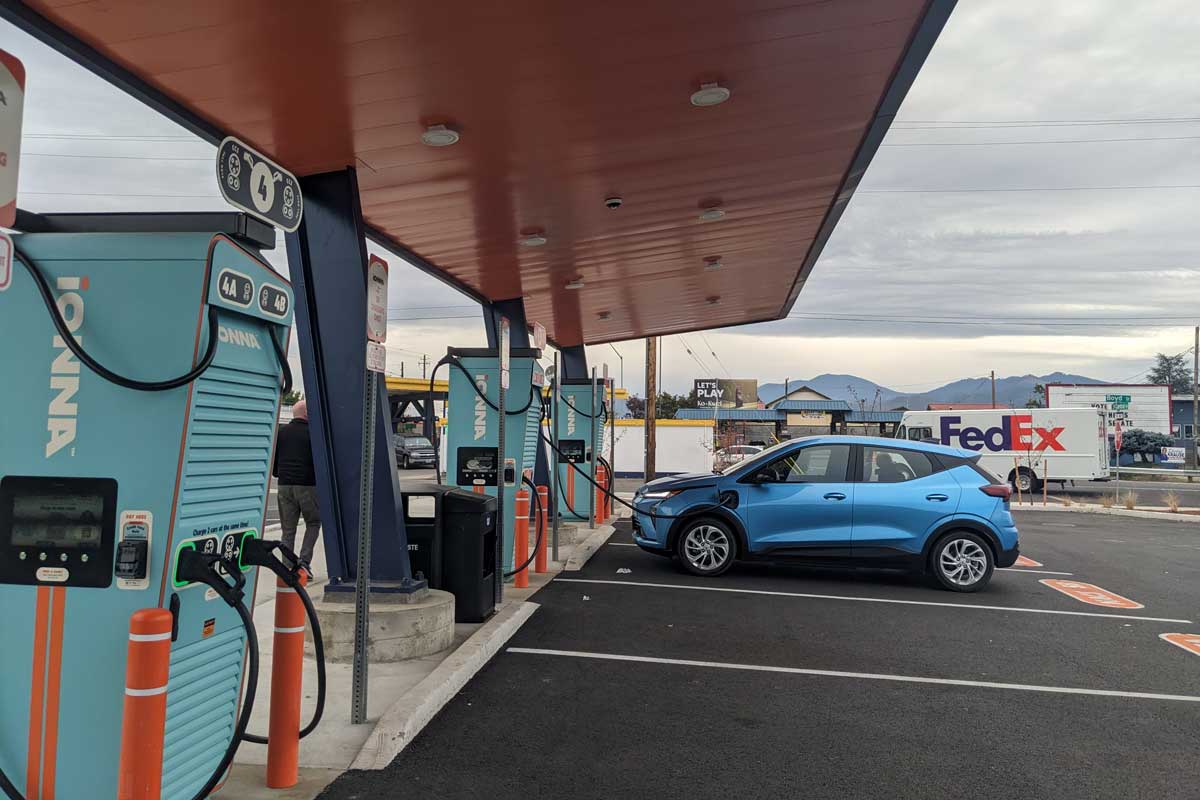
2027 Bolt Average Charging Rate 1,500 Mile Road Trip
By
Paul Gipe
We completed another 1,500-mile road trip this time to Crater Lake and Lassen National Parks. We’ve taken this route north …
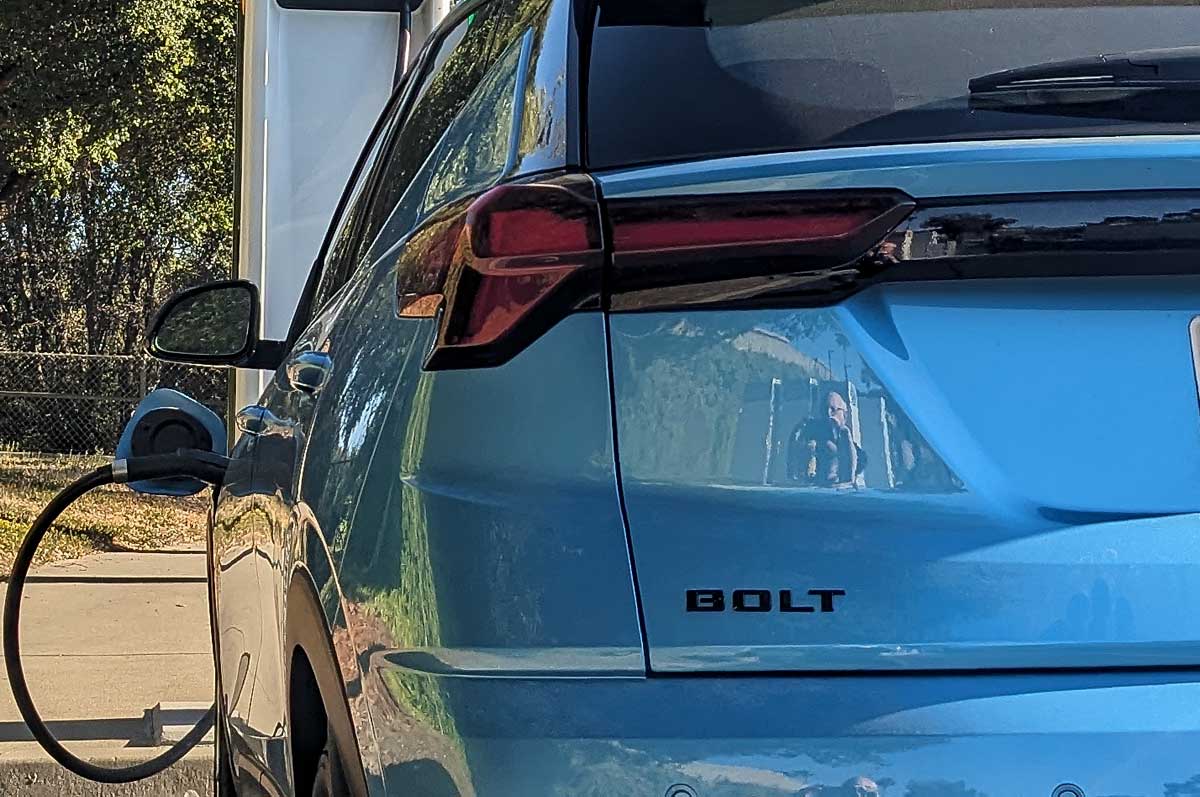
2027 Bolt Traction Battery Degradation after 12,000 Miles
By
Paul Gipe
The short answer is there hasn’t been any degradation of the traction battery of our 2027 Bolt after nearly 12,000 …
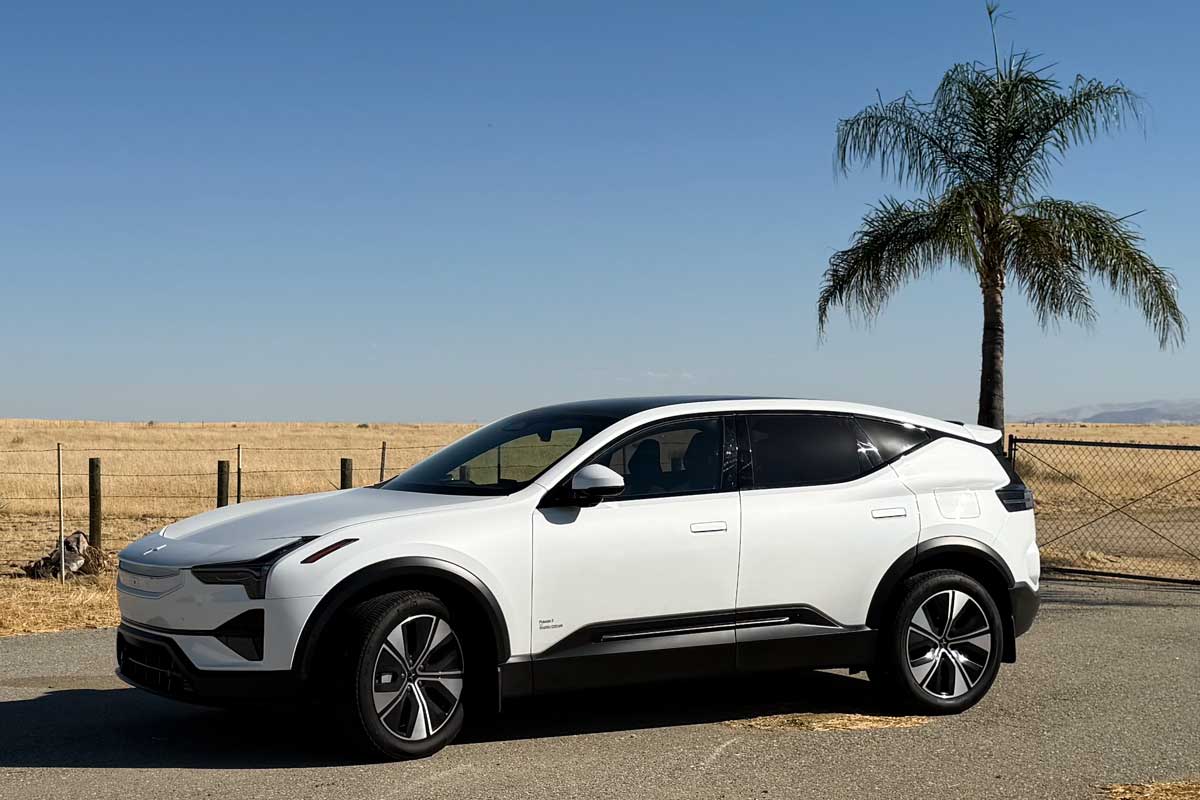
Getting used to my new EV: It’s a whole new motoring world (Stephen Montgomery’s Polestar)
By
External Source
A changing lifestyle had the result of making me drive more miles that I’ve ever done before. With a couple …
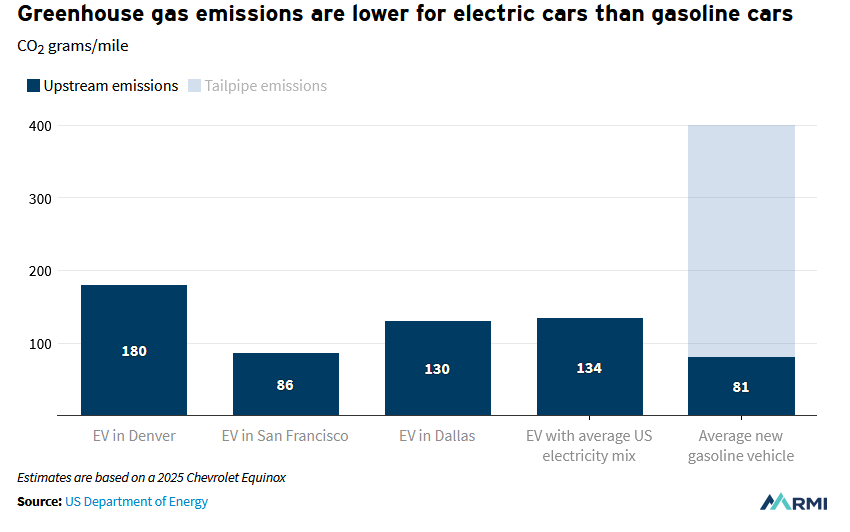
More on Greenhouse Gas Emissions from EV & ICE Vehicles
By
Paul Gipe
RMI, formerly the Rocky Mountain Institute, in a new report comparing the carbon dioxide emissions from EVs and Internal Combustion …
Life-cycle greenhouse gas emissions from passenger cars in the European Union: A 2025 update and key factors to consider
By
External Source
The life-cycle emissions of battery electric vehicles in the European Union are estimated to be 73% lower than those of gasoline internal combustion vehicles. As presented in Figure 1, BEVs operating on the projected 2025–2044 average EU electricity mix had estimated life-cycle GHG emissions of 63 g CO2e/km. This is 73% lower than the emissions of gasoline ICEVs running on the average blend of fossil gasoline and ethanol, estimated at 235 g CO2e/km. These savings go beyond just tailpipe CO2 emissions: Emissions from fuel production are higher than those from electricity production with the EU average mix. Although BEVs were estimated to have about 40% higher production emissions than ICEVs due to emissions from production of the battery, these additional emissions are more than offset after about 17,000 km of use in the first one or two years.

Plug-in EV sales, month by month
By
External Source
188 months of US plug-in vehicle sales, December 2010 to July 2026, taken from the Department of Energy laboratory that publishes them. The share of the new-car market peaked at 12.94% in September 2025 — the month the federal tax credit closed — and has fallen in every month since, measured against the same month a year earlier.
