News & Articles on Wind Energy
This is an archive of articles and news on both large and small wind turbines, wind energy & the environment, and links to topics on the history of wind energy.
I’ve been working with wind energy since 1976 and my professional experience in the subject runs the gamut from wind resource assessment to installing and testing small wind turbines. I continue to follow the industry and analyze its growth and increasing contribution to renewable electricity generation worldwide.
For newcomers to wind energy I’ve added pages from my previous books explaining terms used in the industry.
- 200 Term Multilingual Lexicon: The lexicon translates English terms into five different languages: Dansk, Deutsch, Español, Français, and Italiano.
- Glossary of Wind Energy Terminology: The glossary was written by Paul Gipe and Bill Canter in the late-1990s. I’ve added the glossary to my web site for both its historical content—many of the terms were in use during the 1980s and 1990s—and as a reference for the thousands of newcomers to the wind industry since it was first published.

Italian Wind Mural
By
Paul Gipe
Mural on village wall in the central Appenine town Tocco da Casauria depicting the installation of two Riva-Calzoni wind turbines …

Kaiser-Wilhelm-Koog 2025 Update
By
Paul Gipe
Kaiser-Wilhelm-Koog is famous in the annals of wind energy. The polder in Schleswig-Holstein’s Dithmarshen kreis hosted Germany’s first wind farm …

LA Times: Why We Neglected Wind Power for a Century
By
External Source
A modern windmill — or wind turbine, to be exact — is not so much a constructionthat invites affection or radiates pastoral comfort. Rather, it is something built out ofan urgent necessity — a need for a better means of generating electricity, an inventionmade to wean society away from polluting ourselves into oblivion.

Dismantling a wind farm: all the details of a real case
By
External Source
The dismantling of the Muel wind farm demonstrates that circularity in wind energy is already an industrial reality. The results, with an outstanding 99.85% of materials recovered or recycled, confirm that recycling or recovering nearly 100% of a turbine is not science fiction, but the outcome of applying engineering, collaboration, and technical knowledge. The next step for the industry will be to make it faster, more cost-effective, and with greater added value in each material flow, consolidating circular economy as a standard practice in future repowering projects.
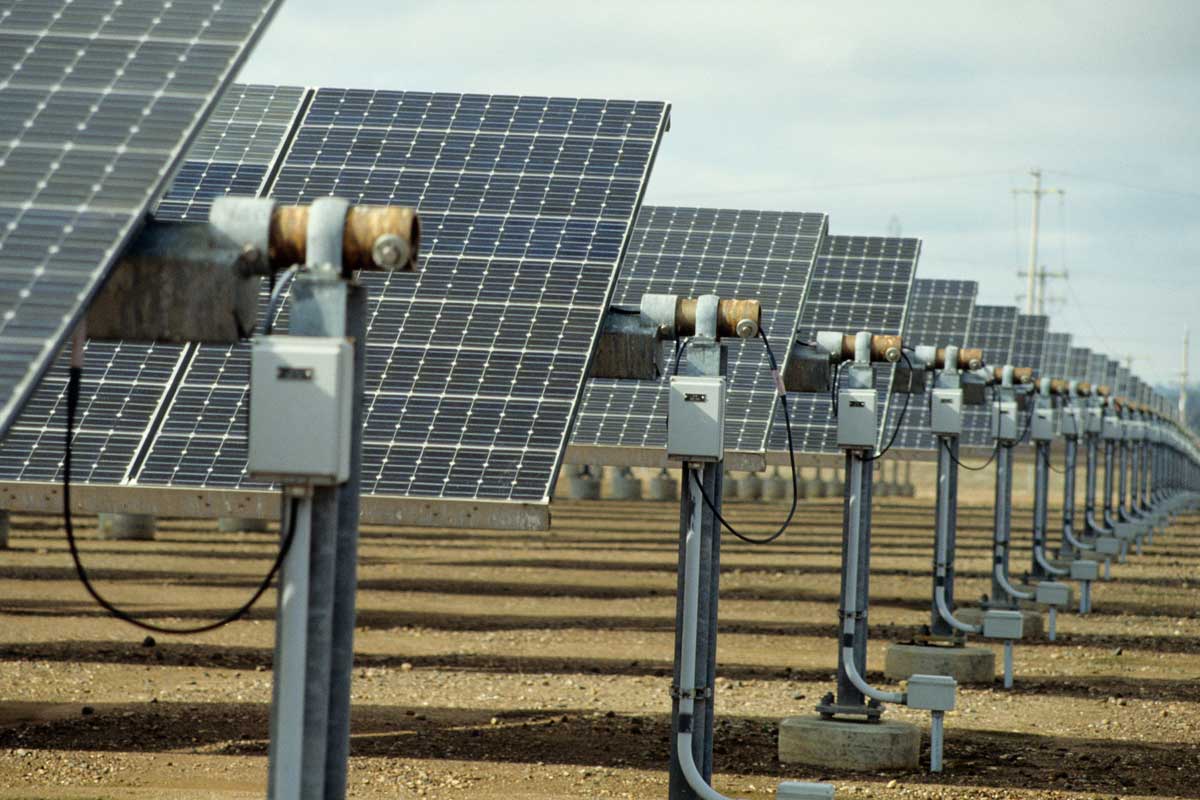
After Spain’s blackout, critics blamed renewable energy. It’s part of a bigger attack
By
External Source
Last spring, tens of millions of people lost electricity across Spain, Portugal and part of France. Trains stopped in their tracks, and people were stuck in elevators, as southwestern Europe went without power for — in some cases — more than ten hours. Immediately, the finger-pointing began. Many people blamed solar and wind energy. Spain, one of Europe’s front runners in renewable energy, gets about 46% of its power from solar and wind, according to the think tank Ember— sometimes more than 70%.

10 Quick Responses to Common Electric Car & Renewable Energy Myths
By
Zachary Shahan
Solar power and wind power are now the cheapest options for new electricity on the market. For this reason, solar and wind actually dominate new power plant capacity around the world. (Myth: Solar and wind power are expensive.)
