News & Articles on Renewable Energy
My specialty is wind energy, but I have worked with all forms of renewable energy. Over the years I’ve written about a number of renewable technologies, including solar and geothermal energy. In recent years I’ve focused on comprehensive renewable energy policies that develop a mix of renewable resources. I’ve also written about our use of fossil fuels and nuclear power.

Trump’s Iran Bombing Will Accelerate Global Electrification & Biofuels
By
Michael Barnard
In essence, Trump’s bombing of Iran’s nuclear infrastructure has crystallized a fundamental reality: energy systems dependent on oil are inherently vulnerable unless a country is a petrostate. That’s true for all but one of these major economic blocs, the United States, with China leading globally in the rush to become an electrostate. Countries recognizing this vulnerability are already moving swiftly to reduce their exposure. This acceleration in electrification and renewable energy investment is not merely about responding to climate change, it is about ensuring national security, economic stability, and resilience against future geopolitical upheavals.

Transforming Canada: Mapping A 100% Electrified Energy Economy
By
Michael Barnard
The path to Canada’s electrified future is clear and achievable. It offers a chance not only to radically reduce greenhouse gas emissions but also to build a stronger, more resilient economy, foster innovation, and secure sustainable energy independence. Leveraging insights gained from Ireland’s process, Canada can confidently embark on its energy transition journey, transforming its abundant renewable resources into lasting prosperity and environmental stewardship for generations to come.
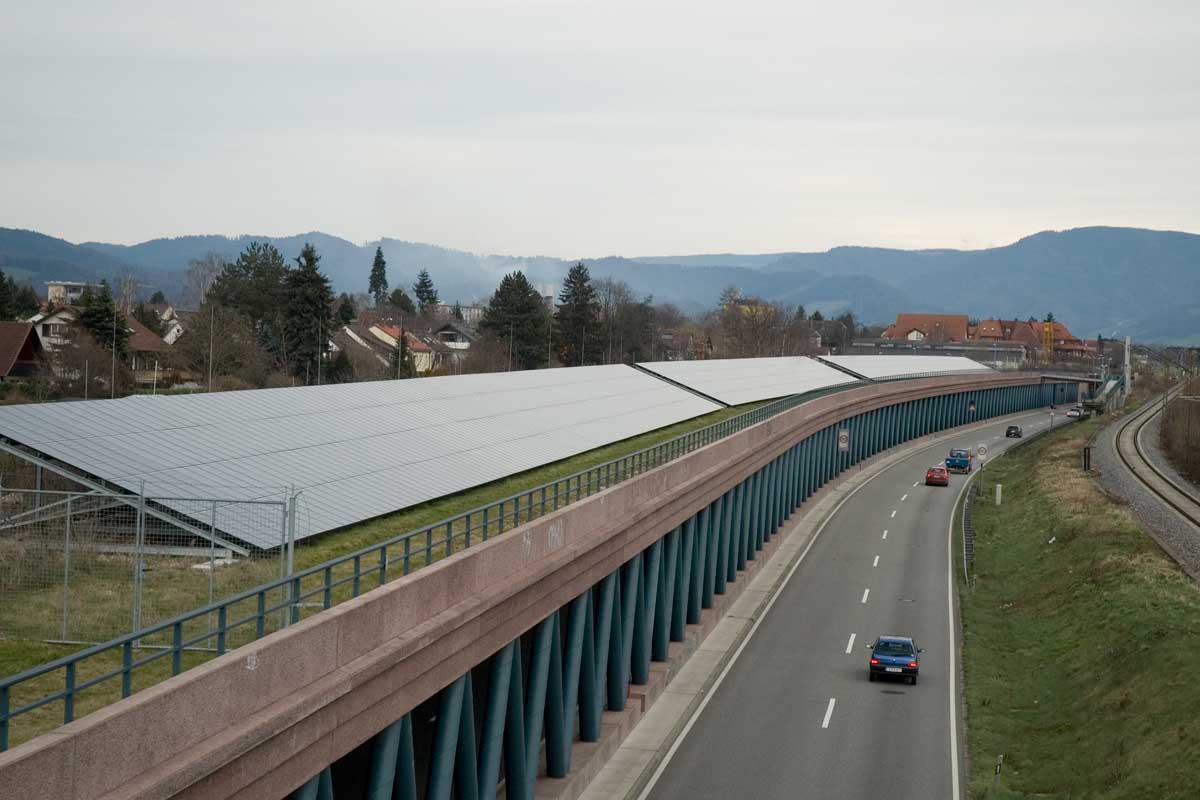
Renewables provided over 90 per cent of the world’s increase in generation capacity in 2024. How is this happening?
By
David Toke
Solar and wind power are dominating new generation capacity around the world. This is to such an extent that, according to data from the International Renewable Energy Association (IRENA), 90 percent of the net increase in global electricity generation capacity came from wind or solar and 93 percent from renewable energy as a whole. Solar PV provided the lion’s share of this increase, at 72 percent, with wind providing 18 percent, fossil fuels 7 percent, hydro 2 percent, bioenergy 1 percent, and nuclear power less than 0.5 percent.


How the IEA is grossly biased against renewables – the IEA should be scrapped
By
David Toke
By contrast the IEA grossly underestimated increases in renewable energy generation. As can be seen in the Figure 1 below, reproduced from a recently published academic paper the IEA has had a consistent habit of projecting much smaller increases in world solar PV generation than has happened in practice. The vertical axis represents annual solar PV additions in GW. The IEA projections consistently have solar pv capacity more or less levelling off in the future, whereas in reality there has been exponential growth of the technology.
