News & Articles on Renewable Energy
My specialty is wind energy, but I have worked with all forms of renewable energy. Over the years I’ve written about a number of renewable technologies, including solar and geothermal energy. In recent years I’ve focused on comprehensive renewable energy policies that develop a mix of renewable resources. I’ve also written about our use of fossil fuels and nuclear power.
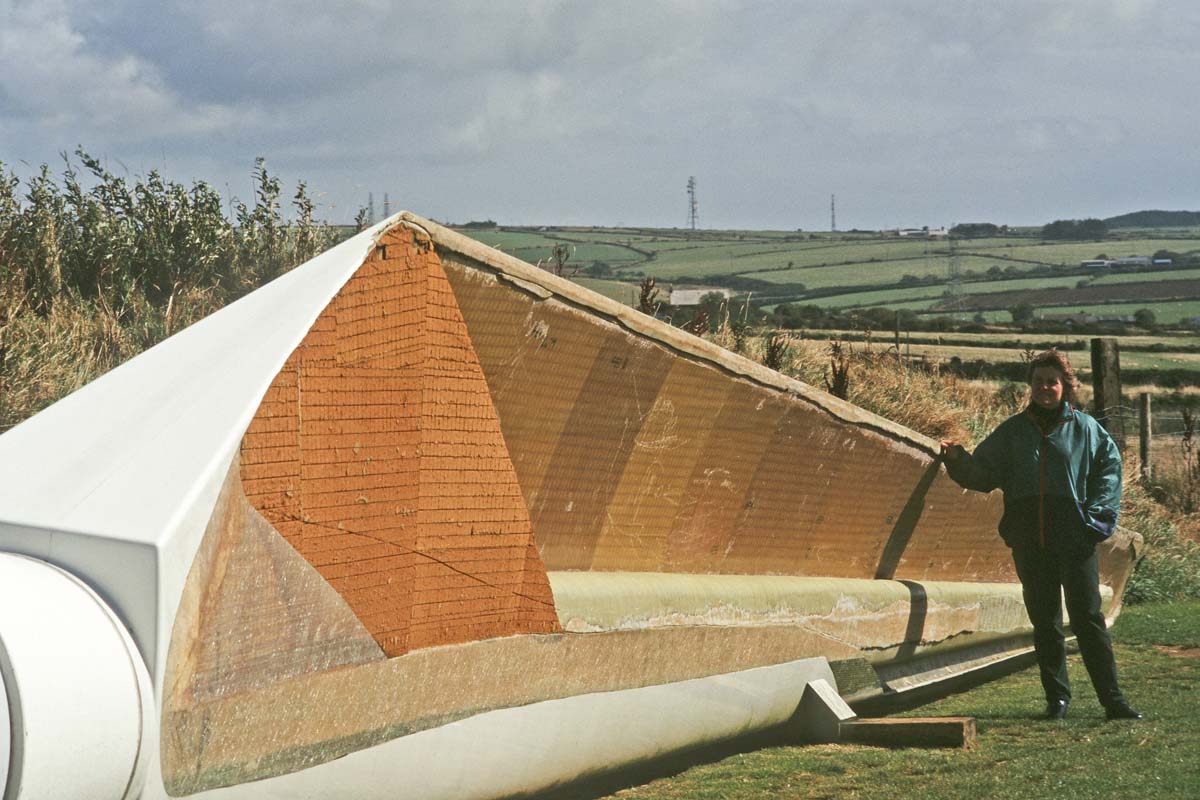

Cold and expensive v hot, cheap and eco-friendly: the contrasting histories of home heating in the UK and Sweden
By
External Source
The new year in Sweden began with some record-breaking cold temperatures. Temperatures in the village of Kvikkjokk in the northern Swedish part of Lapland dropped to -43.6°C, the lowest recorded since records began in 1887. Yet for the majority of Swedish households, heating is not an issue. Those living in the multi-household apartment blocks that characterise Sweden’s towns and cities enjoy average temperatures of 22°C inside their homes, thanks to communal heating systems that keep room temperatures high and costs low. For many households, heating is charged at a flat rate and included in the rent they pay.
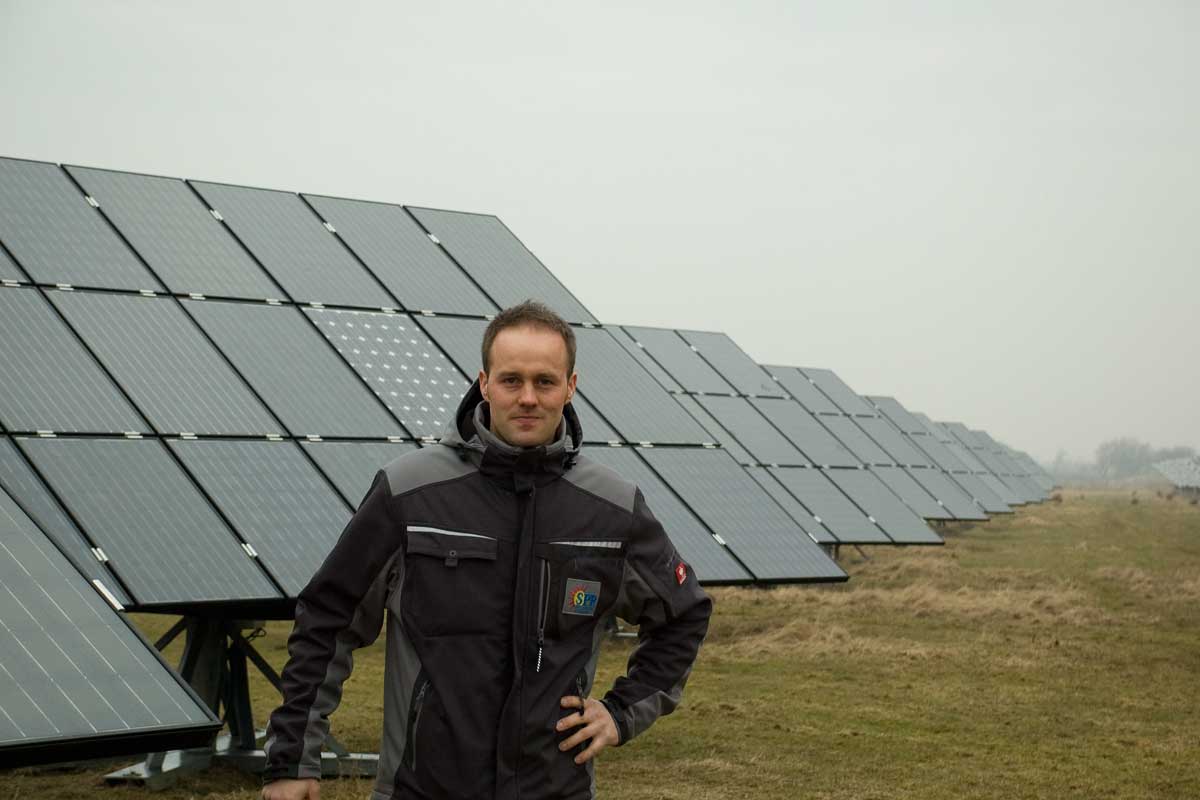
Turning Point: Wind and Solar Outstrip Fossil Fuels in Europe for First Time
By
External Source
Beatrice Petrovich at the Ember Energy Consultancy reports that for the first time last year, wind and solar generated more electricity in the European Union than did fossil fuels. It is another clear piece of proof that humanity can get to carbon neutral by 2050 if it wants to. The alternative is very bad for children and other living things. Combined, wind and solar generated 30% of EU power in 2025. That percentage was only 20% half a decade before. Wind, solar and hydro accounted for 47.1% of electricity generation, nearly half, in the Eurozone.

Ontario’s Nuclear Rate Shock Reveals a Deeper Affordability Problem
By
Michael Barnard
The current nuclear rate filing is not only about paying for reactors. It is a signal about system design and risk allocation. Ontario can continue to benefit from its nuclear fleet while recognizing that too much nuclear raises costs and reduces flexibility. Keeping nuclear around it’s current capacity and accelerating renewables and electrification offers a clearer path to lower household energy costs and a more stable energy system over time.

German Renewables Reach New Record–Surpass Fossil Fuels
By
Paul Gipe
Despite the doom & gloom here in the states where renewable energy is under a sustained assault by the Trump …
Electricity Should Be Free at Noon
By
Leah Stokes
Like California, Australia has an enormous amount of solar. The country’s climate-change-and-energy minister just announced that, starting in July, electricity suppliers will be required to offer at least three free hours of midday power in some regions. This will give people a reason to charge their electric vehicles, use heat pumps to precool or preheat their homes and water, and store more clean electricity in batteries when cheap energy is abundant.
