Articles by
External Source

Donald Trump insists there are no wind farms in China. Here are 20 of them – in pictures
By
External Source
The US president has made the easily debunked claim that there are no wind farms in China
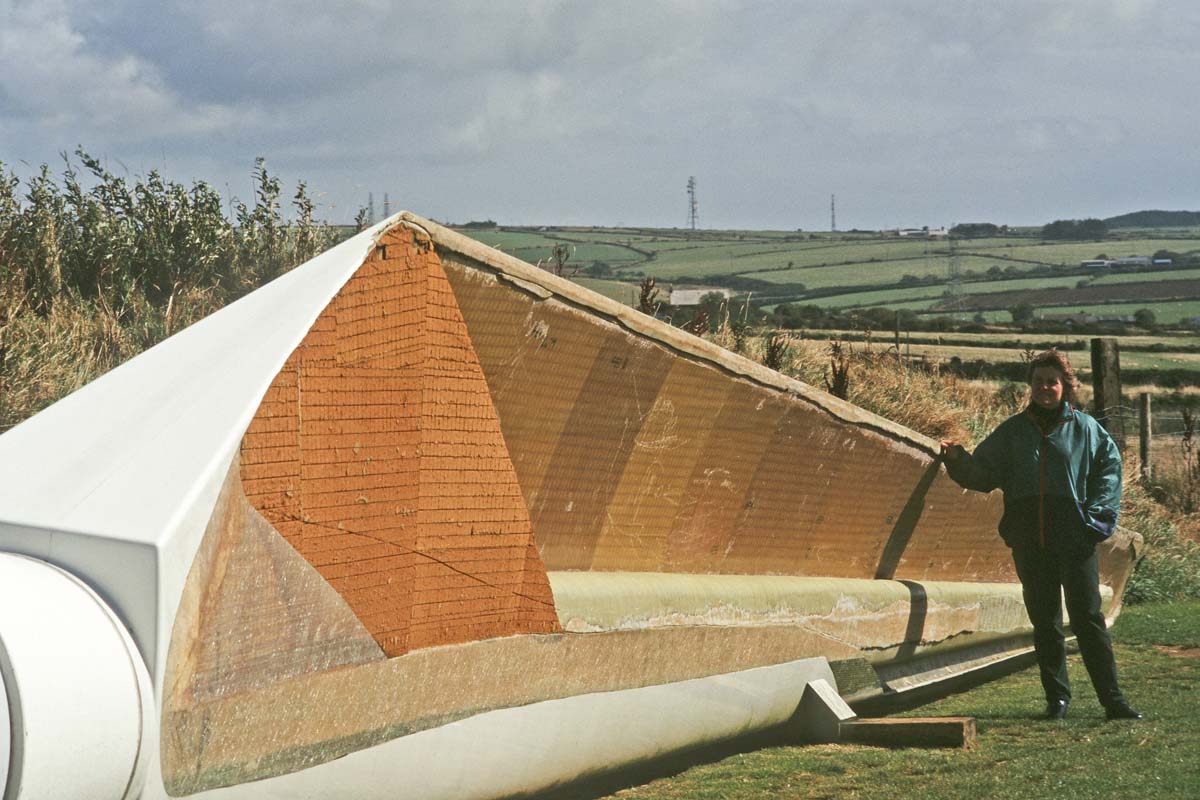
Does clean energy generate too much waste? Hannah Ritchie checks the data on climate action
By
External Source
But when you put the numbers in context, the picture is clear: waste from green energy sources is better than the alternative.
For example, when you burn coal, the leftover product becomes coal ash. Breaking down the data, Ritchie shows that coal generates 50 times more waste than solar power — and 500 times more than wind.
Coal ash is also highly toxic. In the United States, some power plants may dispose of coal ash in surface ponds or landfills, or discharge it in waterways.
Plus, the renewable energy waste problem may be solvable. Most parts of solar panels can be recycled, though countries need to invest in an efficient recycling system to make this happen.

Cold and expensive v hot, cheap and eco-friendly: the contrasting histories of home heating in the UK and Sweden
By
External Source
The new year in Sweden began with some record-breaking cold temperatures. Temperatures in the village of Kvikkjokk in the northern Swedish part of Lapland dropped to -43.6°C, the lowest recorded since records began in 1887.
Yet for the majority of Swedish households, heating is not an issue. Those living in the multi-household apartment blocks that characterise Sweden’s towns and cities enjoy average temperatures of 22°C inside their homes, thanks to communal heating systems that keep room temperatures high and costs low. For many households, heating is charged at a flat rate and included in the rent they pay.
Turning Point: Wind and Solar Outstrip Fossil Fuels in Europe for First Time
By
External Source
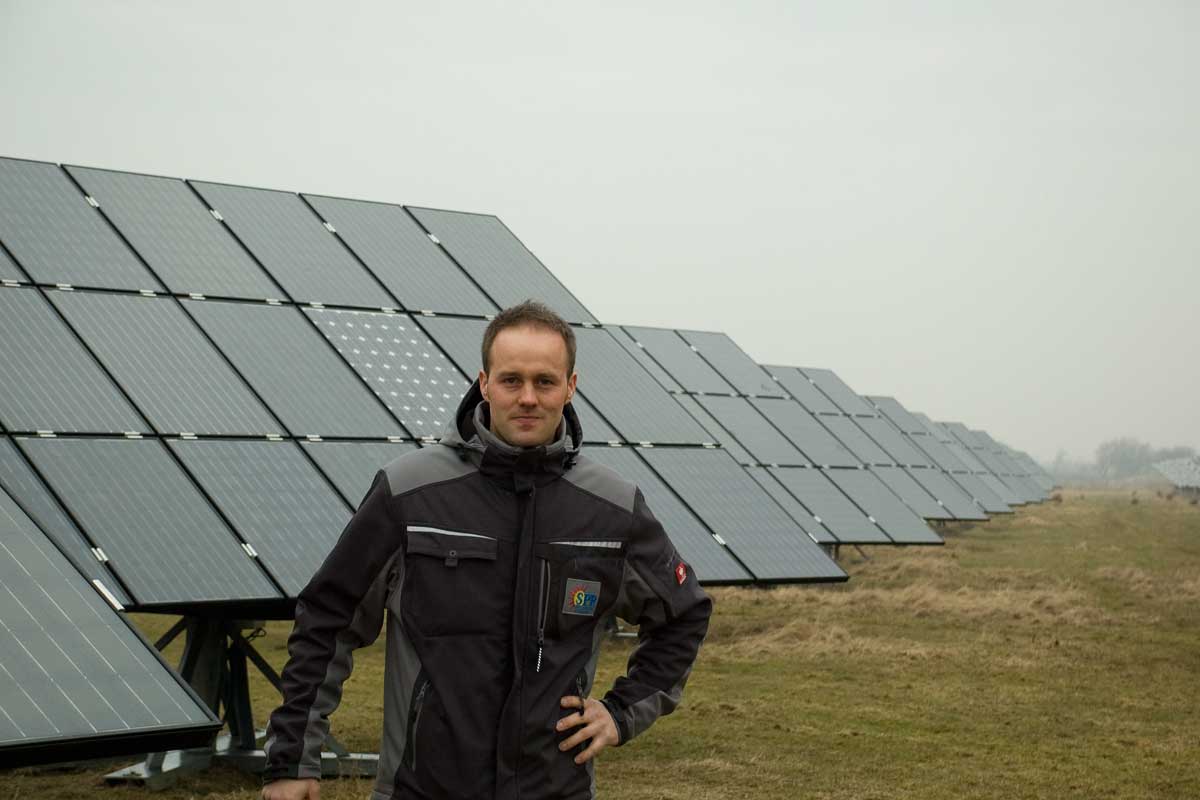
Beatrice Petrovich at the Ember Energy Consultancy reports that for the first time last year, wind and solar generated more electricity in the European Union than did fossil fuels. It is another clear piece of proof that humanity can get to carbon neutral by 2050 if it wants to. The alternative is very bad for children and other living things. Combined, wind and solar generated 30% of EU power in 2025. That percentage was only 20% half a decade before.
Wind, solar and hydro accounted for 47.1% of electricity generation, nearly half, in the Eurozone.

Conservation Group Sues, Claims Feds Hiding Wyoming Wind Turbine Eagle Deaths
By
External Source
The Albany County Conservancy is accusing U.S. Fish and Wildlife Service of concealing eagle deaths in Carbon County. A biologist on the ground says golden eagle deaths are soaring due to wind farms. . . The Albany County Conservancy has filed a lawsuit in the District of Columbia to force the U.S. Department of the Interior and U.S. Fish and Wildlife Service to release all 1,166 pages of the incident reports about bald and golden eagle deaths and injuries related to the Seven Mile Hill, Ekola Flats, and Dunlap wind farms.

LA Times: Why We Neglected Wind Power for a Century
By
External Source
A modern windmill — or wind turbine, to be exact — is not so much a constructionthat invites affection or radiates pastoral comfort. Rather, it is something built out ofan urgent necessity — a need for a better means of generating electricity, an inventionmade to wean society away from polluting ourselves into oblivion.

Dismantling a wind farm: all the details of a real case
By
External Source
The dismantling of the Muel wind farm demonstrates that circularity in wind energy is already an industrial reality.
The results, with an outstanding 99.85% of materials recovered or recycled, confirm that recycling or recovering nearly 100% of a turbine is not science fiction, but the outcome of applying engineering, collaboration, and technical knowledge.
The next step for the industry will be to make it faster, more cost-effective, and with greater added value in each material flow, consolidating circular economy as a standard practice in future repowering projects.

The health burden and racial-ethnic disparities of air pollution from the major oil and gas lifecycle stages in the United States
By
External Source
We estimate lifecycle annual burdens of 91,000 premature deaths attributable to fine particles (PM2.5), nitrogen dioxide (NO2), and ozone, 10,350 PM2.5-attributable preterm births, 216,000 incidences of NO2-attributable childhood-onset asthma, and 1610 lifetime cancers attributable to hazardous air pollutants (HAPs). Racial-ethnic minorities experience the greatest disparities in exposure and health burdens across almost all lifecycle stages. The greatest absolute disparities occur for Black and Asian populations from PM2.5 and ozone, and the Asian population from NO2 and HAPs. Relative inequities are most extreme from downstream activities, especially in Louisiana and Texas.
After Spain’s blackout, critics blamed renewable energy. It’s part of a bigger attack
By
External Source
Last spring, tens of millions of people lost electricity across Spain, Portugal and part of France. Trains stopped in their tracks, and people were stuck in elevators, as southwestern Europe went without power for — in some cases — more than ten hours.
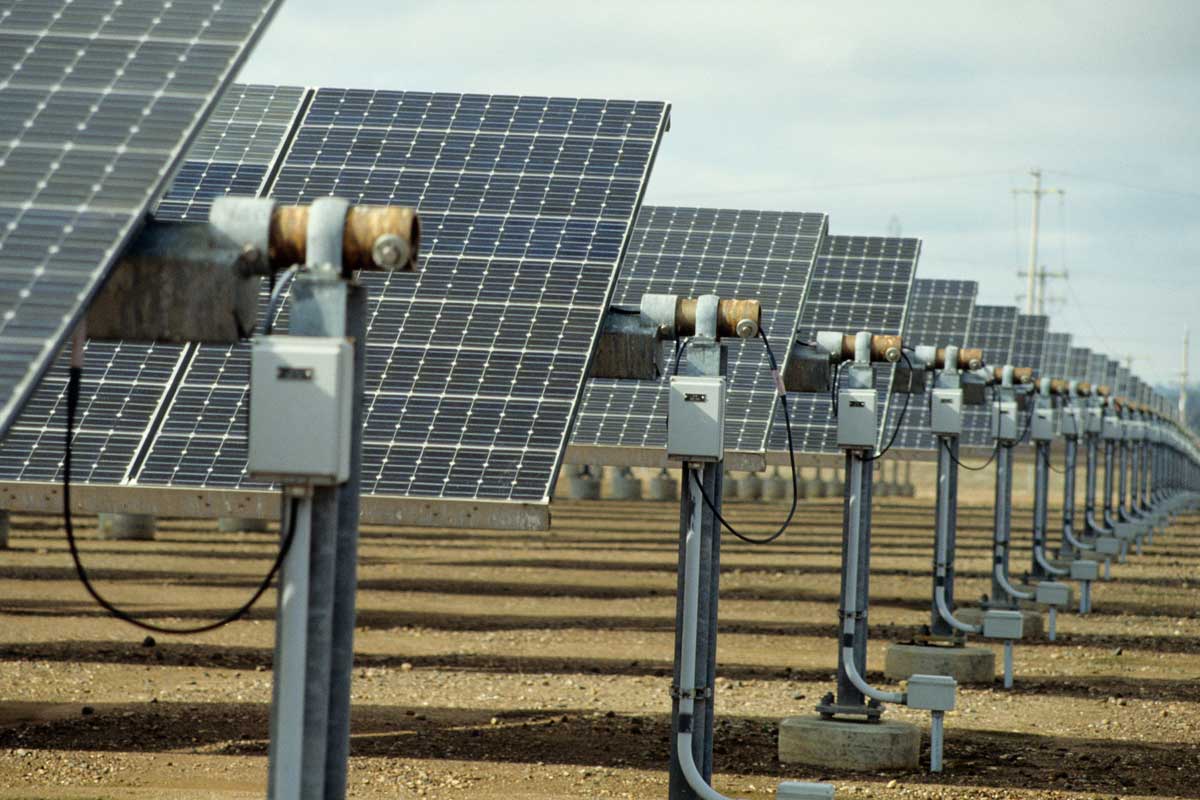
Immediately, the finger-pointing began. Many people blamed solar and wind energy. Spain, one of Europe's front runners in renewable energy, gets about 46% of its power from solar and wind, according to the think tank Ember— sometimes more than 70%.
5 lessons from a house that generates more energy than it uses
By
External Source
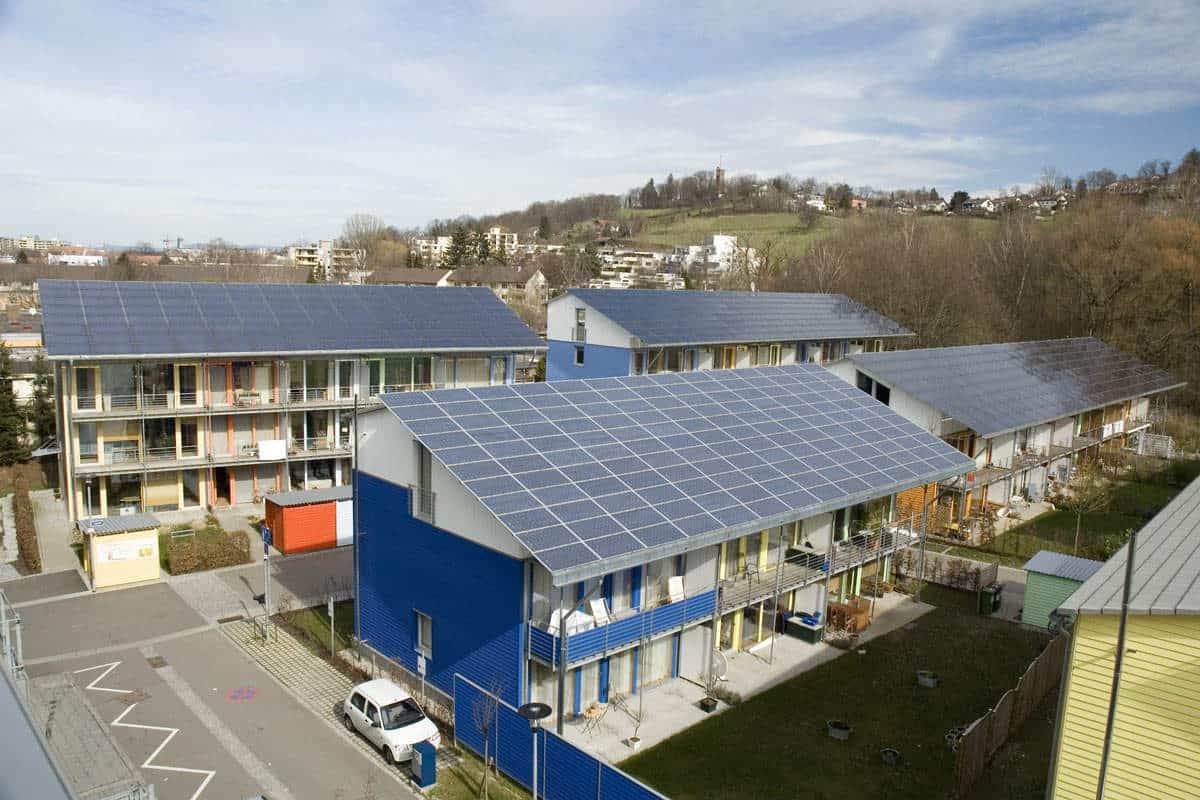
"It's one of the first net-zero energy, zero carbon case study houses that was built for less cost than standard construction," he says, and the remodel involved "standard construction materials and off-the-shelf technologies that anyone can use.Fortunato's family ended up with a stylish, contemporary, four-bedroom, two-bath home. While a project like this is not for everyone, Fortunato hopes others will learn from his family's experience and take on similar projects. In that spirit, here are five lessons from the Green Idea House. Fortunato's family ended up with a stylish, contemporary, four-bedroom, two-bath home. While a project like this is not for everyone, Fortunato hopes others will learn from his family's experience and take on similar projects. In that spirit, here are five lessons from the Green Idea House.
Beyond the Blade: How Wind Energy Learned from Oil & Gas Failures–Why wind recycling won’t become the next abandoned well crisis
By
External Source
Oil and gas created a culture of extraction and externalization. Companies maximized short-term profits while socializing long-term environmental costs. The Texas legislation represents a belated attempt to address decades of inadequate oversight.
Wind energy built sustainability into its business model. Financial assurance is standard practice. Near-complete recyclability is an industry goal, not a regulatory requirement.
The Houston Chronicle's investigative series on "zombie wells" reveals the full scope of oil and gas abandonment—wells that were supposed to be safely plugged but instead burst with toxic water, contaminating aquifers and costing taxpayers millions.
Wind energy won't have a zombie blade problem because the industry engineered responsibility into its DNA. When turbines reach end-of-life, they become raw materials for the next generation of clean energy infrastructure.
Factcheck: 16 misleading myths about solar power
By
External Source
This rapid expansion has triggered a backlash, with numerous campaigns springing up to oppose new solar projects from the UK to Australia.
These groups frequently draw on misinformation, spread by right-leaning media outlets, anti-renewable energy groups and predominantly right-wing political parties.
Increasingly, these narratives are having real-world consequences, with governments restricting or even banning the installation of solar panels across swathes of land.
Here, Carbon Brief factchecks 16 of the most common myths about solar power.
