Grid Integration
Grid integration of renewable energy, especially wind energy, is a controversial topic–and has been for nearly three decades. Frankly, I think the subject has been beaten to death and for my part the questions answered many times over. Nevertheless, those opposed to renewable energy continually raise the subject in the hopes that this is some silver bullet that will put wind and solar energy in its grave. As a consequence, renewable energy advocates ask me for help to rebut the common myths about wind energy’s “unreliability”. For this reason, I occasionally post articles or reports on the topic of grid integration.
Renewables International: How Wind and Solar PV Production Complement Each Other from Winter to Summer and How to Improve this Advantage? Analysis and Conclusions for France and Germany
By
Bernard Chabot
Sustainable renewable energy (RE) policies must be based on a wise mix between technologies and applications. In the case of variable but predictable RE technologies such as wind power and solar PV, the optimum ratio between their installed power depends from the present and future profiles of the electricity demand, the productivity of each technologies and their respective delivered kWh costs.
Esperance Wind farms take precedence in utility generation
By
Neville Selby
Most of the time, Esperance uses all the electricity the wind farms produce, and the power station makes up any shortfall so that a reliable supply of electricity is always available.
Renewables International: Renewable Energy for Electricity in California in 2012 and its Future Role
By
Bernard Chabot
The California Energy Commission (CEC) has published on August 1, 2013 the 2012 data for the whole California power system [1]. This analysis completes the preliminary analysis from the California Independent System Operator (CAISO) data already published [2]. A larger view is given on the potential future role of renewables within the Californian energy and environment context and within the solutions for mitigating the greenhouse gas emissions to lower the threats of global warming and climate change in the Golden State, in USA and in the world.
Baseload power is a myth: even intermittent renewables will work
By
Mark Diesendorf
In a previous article for The Conversation I reported on the initial results of computer simulations by a research team at the University of New South Wales that busted the myth that renewable energy cannot supply base-load demand. However at the time of the article I was still under the misconception that some base-load renewable energy supply may be needed to be part of the renewable energy mix.
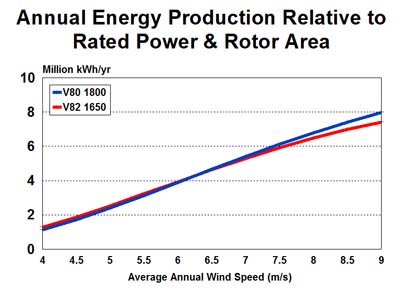
Low Wind Speed and Medium Wind Speed Turbines or New Large Diameter Turbines with Low Generator Ratings
By
Paul Gipe
Long awaited, low specific capacity-high specific area turbines are the kind of technology needed to make wind energy an essential low-cost component of moving society toward 100% renewable energy.
Windpower Monthly: Power system reserve – No need to build wind back-up
By
Lyn Harrison
Addition of wind generation to a large power system does not require construction of back-up generating capacity.
