News & Articles on Fossil Fuels
Fossil Fuels ares not renewable, obviously. They are listed here for organizational reasons. I don’t write about fossil fuels–as a rule. However, fossil fuels and those who promote them are not going away quietly. Thus, I felt it necessary to include the topic to distinguish articles that are not about nuclear power or renewable energy.

Beyond Baseload Power: A New Paradigm of Power System Operation
By
Toby Couture
With the rise of low-cost wind and solar power, this baseload paradigm has come under strain. Utilities and regulators interested in keeping electricity prices low are starting to introduce variable renewables like wind and solar at scale instead: since the latter have zero marginal costs, they typically get dispatched first, making them by default the new foundation of the power system. In the process, other generating units are having to ramp and flex around them.

Beyond Baseload Power: Toward a New Paradigm of Power System Operation
By
Toby Couture
But today, in a world with abundant and inexpensive solar and wind power, the economics have shifted – variable renewables are becoming the new foundation of the system, and other resources are starting to flex and ramp around them. This shift represents one of the most fundamental changes to the way power systems are designed and operated since Tesla and Edison waged battles over AC vs. DC.
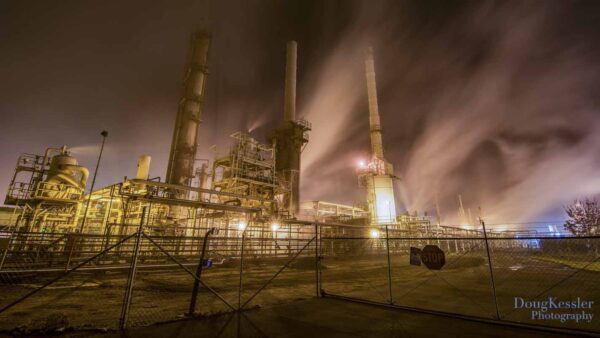
California Refineries Close as Gasoline Demand Slips into Permanent Decline
By
Michael Barnard
California’s refinery closures are best understood as demand-driven, not regulation-driven. Supply shocks will come with them, but those are normal features of a disruptive transition. Reading the signals correctly is critical. What is happening in California now will happen in other regions as EV penetration deepens. The state is simply showing the rest of the world what the future of gasoline and diesel refining looks like once the tipping points of electrification are crossed.

Beyond the Blade: How Wind Energy Learned from Oil & Gas Failures–Why wind recycling won’t become the next abandoned well crisis
By
External Source
Oil and gas created a culture of extraction and externalization. Companies maximized short-term profits while socializing long-term environmental costs. The Texas legislation represents a belated attempt to address decades of inadequate oversight. Wind energy built sustainability into its business model. Financial assurance is standard practice. Near-complete recyclability is an industry goal, not a regulatory requirement. The Houston Chronicle’s investigative series on “zombie wells” reveals the full scope of oil and gas abandonment—wells that were supposed to be safely plugged but instead burst with toxic water, contaminating aquifers and costing taxpayers millions. Wind energy won’t have a zombie blade problem because the industry engineered responsibility into its DNA. When turbines reach end-of-life, they become raw materials for the next generation of clean energy infrastructure.
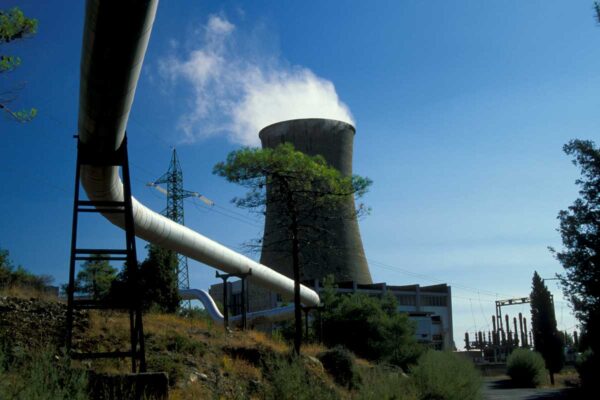
Capitalism at a Crossroads: Profit & Public Purpose in Clean Energy
By
Michael Barnard
The conclusion is straightforward. Addressing Christophers’ challenges does not require abandoning capitalism. It requires writing rules that make clean, reliable power profitable to build and cheap to buy. Capitalism will not save the planet on autopilot, but it can be harnessed if governments are willing to set the terms. The measure of success is not ideology but delivered clean terawatt-hours at stable prices. The faster policymakers align markets with that outcome, the faster the transition will proceed.

IEA: Renewables Will Be World’s Top Power Source “by 2026”
By
External Source
Renewable energy will overtake coal to become the world’s top source of electricity “by 2026 at the latest”, according to new forecasts from the International Energy Agency (IEA). The rise of renewables is being driven by extremely rapid growth in wind and solar output, which topped 4,000 terawatt hours (TWh) in 2024 and will pass 6,000TWh by 2026. Wind and solar are increasingly under attack from populist politicians on the right, such as US president Donald Trump and Reform in the UK. Nevertheless, they will together meet more than 90% of the increase in global electricity demand out to 2026, the IEA says, while modest growth for hydro power will add to renewables’ rise.
