In response to my review of Energy Democracy, a new book on Germany’s energy revolution by Craig Morris and Arne Jungjohann, long-time colleague Bernard Saulnier contacted me with his thoughts.
book Reviews

Rightwing Poles have raised the old canard that wind turbines and, hence, wind energy, is the detestable spoor of Nazi racial ideology. Nothing could be further from the truth.
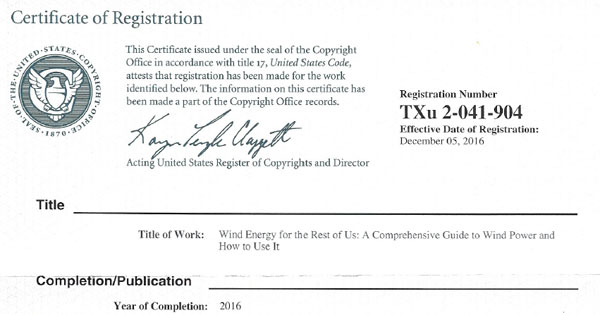
The copyright was finally issued for Wind Energy for the Rest of Us. A long time coming, the copyright was issued under Title 17 of the United States Code and became effective 5 December 2016.

Is one of the most powerful books on the renewable energy revolution in decades. It’s a chronicle of the remarkable transformation underway in the world’s fourth-largest industrial economy.
They say that a good book should always tell a story. And this is true for this book by Paul Gipe. Titled “Wind Energy for the Rest of Us” is not just about the technology, but it tells the whole story of the development of the field, starting with the first windmills, all the way to the modern, high-power towers. And it is a book of excellent graphic and textual quality. Something that’s becoming rare in a time when publishers provide less and less editorial services. Highly suggested if you want to learn about wind energy.
The Small Wind Conference has chosen Paul Gipe as its keynote speaker for its 2017 conference in Minneapolis, Minnesota. Calling Gipe “legendary” for his four decades writing about wind energy, the conference is the principal North American venue for the small wind industry.
The book is a combination between a historical book, a textbook and a do-it-yourself book if you want to install your own wind turbine or want to invest in wind energy. It describes the different technologies available and the author explains what is important and what is not.
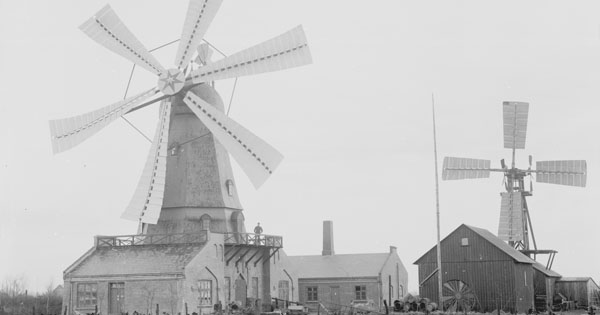
The current newsletter of the Poul la Cour Foundation offers kudos for the new book by Paul Gipe, Wind Energy for the Rest of Us.
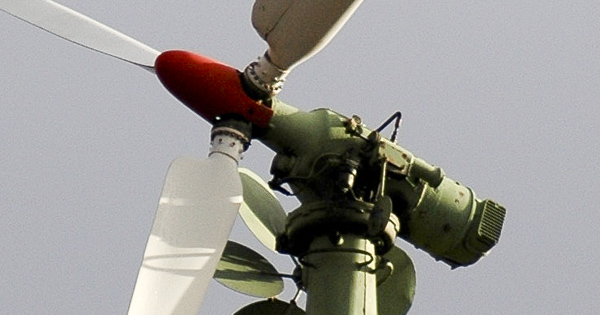
The digital version of Wind Energy for the Rest of Us is now available for download. This is the version of the book for true wind geeks as it offers photographic detail not seen any other way.
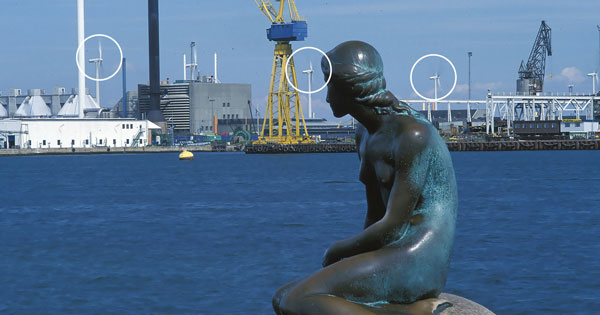
Fans of my work with wind energy have often joked that my books would have a larger audience if they had some sex in them–or at least a bare breast.
