Articles by
Michael Barnard
France Gets Electrification Right, But 2030 Is Doing A Lot Of Work
By
Michael Barnard
France has announced a national electrification push that is directionally correct in a way that a lot of energy policy still is not. It is not treating electrification as a side dish to climate policy, a consumer rebate program, or a decorative set of EV chargers beside the real business of burning imported molecules. It is treating electrification as energy security, industrial policy, household cost protection, and a way to stop other people’s fossil fuel problems from showing up in French bills.

The Petroleum System Is Entering Its Volatile Decline Phase
By
Michael Barnard
The petroleum age is unlikely to end with one dramatic crash. It is more likely to enter a volatile decline, with each shock strengthening the case for electrification, and each wave of electrification weakening the future demand that once held the oil system together. The countries, cities, companies, and households that understand this will not wait for the last oil shock to pass. They will build around electricity because electricity is not just cleaner. It is more controllable.

The New Geography Of Wind Power In Canada
By
Michael Barnard
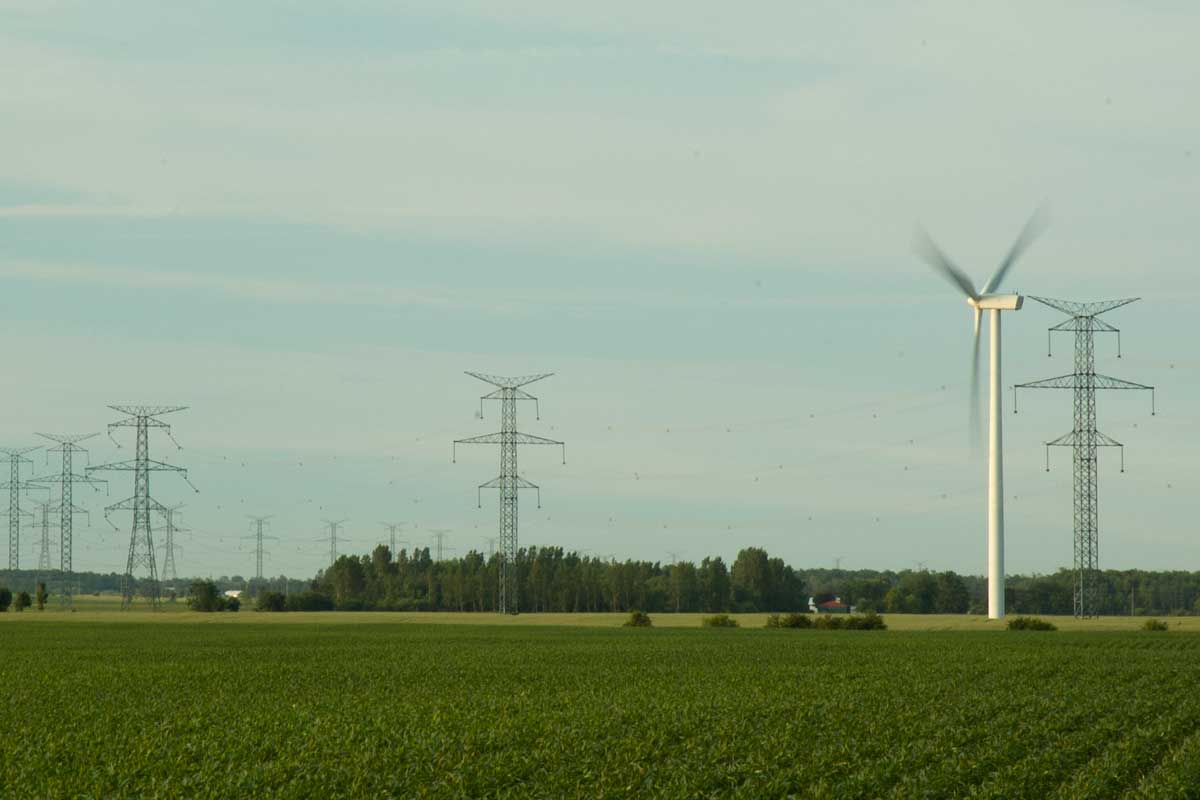
Ontario’s return to renewable procurement is the clearest sign that one of Canada’s largest electricity markets has accepted a reality it spent years resisting. The timing is propitious as I prepare to provide an update to a global audience on North American wind energy through the World Wind Energy Association. Electricity demand is rising as transport, buildings, and industry electrify. Refusing wind and solar in that environment was never a long-term strategy. It was a pause wrapped in politics.

LNG Shock, Coal Myths, & The Real Winners On The Grid
By
Michael Barnard
Coal was not the global winner of the Hormuz shock. It was a regional emergency beneficiary in a few LNG-exposed markets. Renewables alone did not replace LNG everywhere either. But renewables plus batteries, backed by hydro, nuclear, interconnection, and demand flexibility where available, already replaced enough of LNG’s daily balancing role in several major markets to overturn the old assumption that a gas shock naturally belongs to coal. The real strategic winner was not a single fuel. It was the clean flexibility stack, and the countries building it fastest are the ones rewriting what energy security means.

Ontario’s Nuclear Rate Shock Reveals a Deeper Affordability Problem
By
Michael Barnard
The current nuclear rate filing is not only about paying for reactors. It is a signal about system design and risk allocation. Ontario can continue to benefit from its nuclear fleet while recognizing that too much nuclear raises costs and reduces flexibility. Keeping nuclear around it’s current capacity and accelerating renewables and electrification offers a clearer path to lower household energy costs and a more stable energy system over time.
Beyond the Hype: A Clear-Eyed Look at Geothermal’s Role in the Energy Transition
By
Michael Barnard
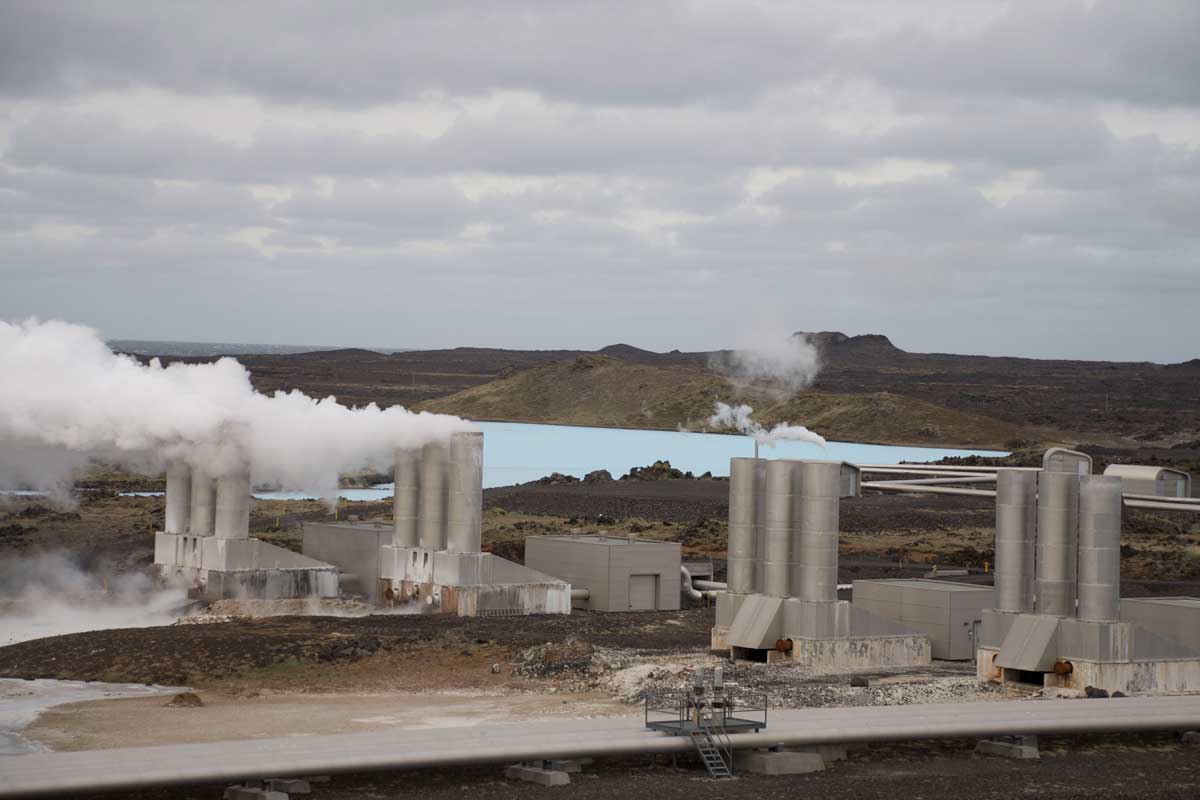
The report itself is wide-ranging. It opens with a foreword that admits the challenge of writing honestly about geothermal. It is an industry where geology, engineering, and economics intersect in messy ways, and where enthusiasm can run well ahead of evidence. From there the report walks through the core technologies, beginning with conventional geothermal generation. In the right geographies this remains an excellent source of low-carbon power, running at capacity factors that fossil plants envy. Yet the geography is limited, and in most parts of the world geothermal electricity will never be more than a rounding error.

Poland at a Crossroads: Nuclear Delays vs Renewable Success
By
Michael Barnard
Poland’s nuclear program is already failing on its own terms. It lacks the conditions that historically enabled nuclear to succeed. It is not aligned with a national weapons program, it is already delayed, and it will force the creation of nuclear-specific flexibility services on a grid where wind and solar are scaling faster than expected. It is a megaproject at high risk of spiraling costs and time overruns, and it follows in the footsteps of a past program that collapsed under similar pressures. The better path for Poland is to lean into what is working. Wind, solar, interconnection, and storage are delivering emissions cuts and reducing dependence on coal today. Doubling down on those successes offers the fastest, cheapest, and least risky route to a secure, decarbonized Polish energy system.

California Refineries Close as Gasoline Demand Slips into Permanent Decline
By
Michael Barnard
California’s refinery closures are best understood as demand-driven, not regulation-driven. Supply shocks will come with them, but those are normal features of a disruptive transition. Reading the signals correctly is critical. What is happening in California now will happen in other regions as EV penetration deepens. The state is simply showing the rest of the world what the future of gasoline and diesel refining looks like once the tipping points of electrification are crossed.
Capitalism at a Crossroads: Profit & Public Purpose in Clean Energy
By
Michael Barnard
The conclusion is straightforward. Addressing Christophers’ challenges does not require abandoning capitalism. It requires writing rules that make clean, reliable power profitable to build and cheap to buy. Capitalism will not save the planet on autopilot, but it can be harnessed if governments are willing to set the terms. The measure of success is not ideology but delivered clean terawatt-hours at stable prices. The faster policymakers align markets with that outcome, the faster the transition will proceed.

Europe’s $750 Billion Energy Pledge To Trump Is Pure Political Theater
By
Michael Barnard
For President Trump, the deal represented a dramatic political win, as it allowed him to claim a significant diplomatic and economic success before his self-imposed deadline. Yet, upon closer examination, the celebrated energy pledge raises substantial doubts. Analysts widely question its feasibility, suggesting that Europe’s commitments are essentially political theater designed primarily to manage President Trump’s volatile negotiating tactics, rather than realistic economic strategy.
Sizewell’s Exploding Budget Exposes Europe’s Nuclear Blindspot
By
Michael Barnard
The recent announcement that the UK’s Sizewell C nuclear generation construction’s projected cost has doubled from £20 billion in 2020 to nearly £38 billion today is shocking but predictable. For anyone following Europe’s nuclear power saga, such an escalation is not an anomaly but rather a continuation of a deeply entrenched pattern. This project, part of Europe’s broader push for nuclear power to meet climate goals, is again raising fundamental questions about whether European governments and utilities have truly laid the groundwork for successful nuclear power scaling, or if they continue to underestimate the scale of the task.

Wind Farms Outlast Expectations: Longevity Matches Nuclear
By
Michael Barnard
One of the persistent claims made by nuclear energy advocates is that nuclear power plants hold a critical advantage over wind and solar facilities due to their significantly longer operational lifespans. This argument frequently serves as justification for continued investment in nuclear, often at the expense of renewable options. News of a 25 year extension to a Danish offshore wind farm, bringing its total life to 50 years, defangs yet another nuclear talking point.
