Articles by
External Source

IEA: Renewables Will Be World’s Top Power Source “by 2026”
By
External Source
Renewable energy will overtake coal to become the world’s top source of electricity “by 2026 at the latest”, according to new forecasts from the International Energy Agency (IEA).
The rise of renewables is being driven by extremely rapid growth in wind and solar output, which topped 4,000 terawatt hours (TWh) in 2024 and will pass 6,000TWh by 2026.
Wind and solar are increasingly under attack from populist politicians on the right, such as US president Donald Trump and Reform in the UK.
Nevertheless, they will together meet more than 90% of the increase in global electricity demand out to 2026, the IEA says, while modest growth for hydro power will add to renewables’ rise.
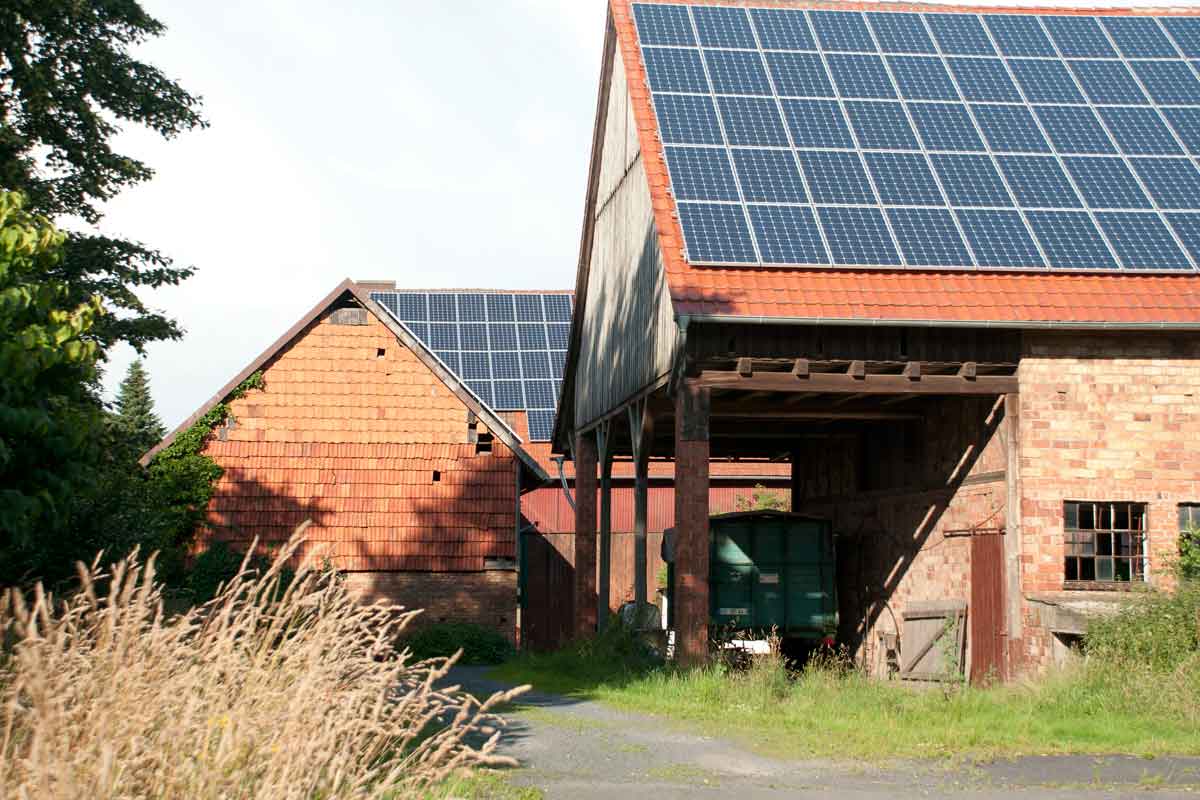
Solar is EU’s biggest power source for the first time ever
By
External Source
Solar became the EU’s largest source of electricity for the first time in June 2025. National records for solar and wind rolled in across EU countries in May and June, pushing coal to an all-time low.

California’s grid gets a record power assist from a 100k home battery fleet
By
External Source
Brattle’s analysis found that the battery output made a visible dent in statewide grid load, when the power is needed most. “Performance was consistent across the event, without major fluctuations or any attrition,” said Ryan Hledik, a principal at The Brattle Group. He called it “dependable, planning-grade performance at scale.”

‘Renewable Energy’: An Exhibition–Tracking the evolution of wind and water power, from yesterday to today and tomorrow
By
External Source
This exhibition focuses on the renewable resources of wind and waterpower. It charts a trajectory from the technologies used in ... Read more

Tilting at windmills? Trump’s claims about turbines fact-checked
By
External Source
The wind turbines visible from Donald Trump’s Turnberry and Menie golf courses have long enraged the president. At a press conference at his Ayrshire resort announcing a trade deal with the EU this weekend, Trump launched into an unprompted tirade against windfarms, instructing European countries to get rid of theirs. He was visiting Turnberry for the first time since the nearby onshore Kirk Hill windfarm began producing energy from eight turbines.
But were his comments about wind power correct?

EVs Pay Off Their Carbon Debt in Just 2 Years — After That, It’s No Contest:
By
External Source
Recent studies confirm that battery electric vehicles (BEVs) deliver a real, measurable climate benefit over gasoline cars—when you look at the full lifecycle. After accounting for all emissions (from manufacturing and battery production to driving and disposal), a U.S.–sold BEV generates 41–71% lower total greenhouse-gas emissions than a comparable gas car, depending on your region’s power-grid cleanliness. You can explore these differences yourself with the Union of Concerned Scientists’ EV Emissions Tool.
Electric Vehicles Are on the Road to Mass Adoption: EV purchases are rising, costs are decreasing, and battery technology is improving
By
External Source
Electric vehicle (EV) adoption is gaining serious momentum around the world. Multiple countries, including the United States, have already passed a passenger EV tipping point— when sales reach critical mass, after which adoption accelerates. In the United States, owning a light-duty EV is now cheaper than owning a gas-powered car over a vehicle’s lifespan. Thanks to ongoing savings from fuel, less maintenance, and other recurring benefits, RMI analysis determined that EVs save US drivers an estimated $1,000 or more annually.
How China made electric vehicles mainstream
By
External Source
At the beginning of the century, China's leadership laid out plans to dominate the technologies of the future. Once a nation of bicycles China is now the world's leader in EVs.
For Guangzhou's more than 18 million people, the roar of the rush hour has become a hum.
"When it comes to EVs, China is 10 years ahead and 10 times better than any other country," says auto sector analyst Michael Dunne.

9 myths about electric vehicles have taken hold. A new study shows how many people fall for them
By
External Source
More people believe misinformation about electric vehicles than disagree with it and even EV owners tend to believe the myths, our new research shows.
We investigated the prevalence of misinformation about EVs in four countries – Australia, the United States, Germany and Austria. Unfortunately, we found substantial agreement with misinformation across all countries.

Were cuts in rooftop solar payments legal? California Supreme Court hears arguments
By
External Source
Environmental and consumer advocacy groups are seeking to reverse a 2022 decision by state regulators to slash by around 75% the rates paid to compensate customers with solar installations for the excess energy they generate. The move, intended to shield non-solar customers from unfair cost burdens, sent solar hookups plummeting.
Three environmental groups bringing the case — the Center for Biological Diversity, The Protect our Communities Foundation, and the Environmental Working Group — argue that the California Public Utilities Commission didn’t properly consider benefits to customers and disadvantaged communities when it changed the program. The commission argued the policy strikes a balance between affordability for all customers and encouraging renewable energy choices.

Movie Madness: “The South Westerlies” TV Serial
By
External Source
“The South Westerlies” is a TV serial produced in 2020 that revolves around a wind farm proposal. Here’s a brief ... Read more

French court suspends wind farm after death of golden eagle
By
External Source
The Montpellier court has ordered a one-year suspension of the Bernagues wind farm, finding Énergie Renouvelable du Languedoc responsible for the death of a golden eagle, a protected species, in January 2023.
