Articles by
External Source

Electric vehicles use half the energy of gas-powered vehicles
By
External Source
As U.S. EV sales rise, more cars than ever are using the electrical grid to power up. It would be reasonable to assume that means the grid must now supply a vast amount of energy to those cars — but it actually won’t take as much as you might think.
The reality: EVs require much less energy to operate than gasoline-burning vehicles. In fact, with the nation’s current electricity blend, an EV requires only about half the energy needed for a gasoline-powered internal combustion engine.

Chevy Bolt Tire Inflator Pump and Tire Sealant – Part Numbers
By
External Source
For folks looking for the tire inflator, sealant cannister and even the styrofoam insert that holds them in the stowage compartment, here are the part numbers . . . from a post on ChevyBolt.org.

Saying Goodbye to a Cold-Weather Workhorse: Northwind 100
By
External Source
After arriving at NREL in February 2001, the Northern Power Systems’ NorthWind 100 wind turbine was used for a variety of wind energy research projects such as early hybrid wind/diesel systems for deployment in Alaska. In cooperation with NASA and the U.S. Department of Energy (DOE), Northern Power Systems developed the NorthWind 100 to demonstrate extreme cold-weather operation in Vermont, Colorado, Alaska, the South Pole, and eventually a futuristic application on Mars.
There Is More to Hertz Dumping 20,000 EVs From Fleet Than Appearances Suggest
By
External Source
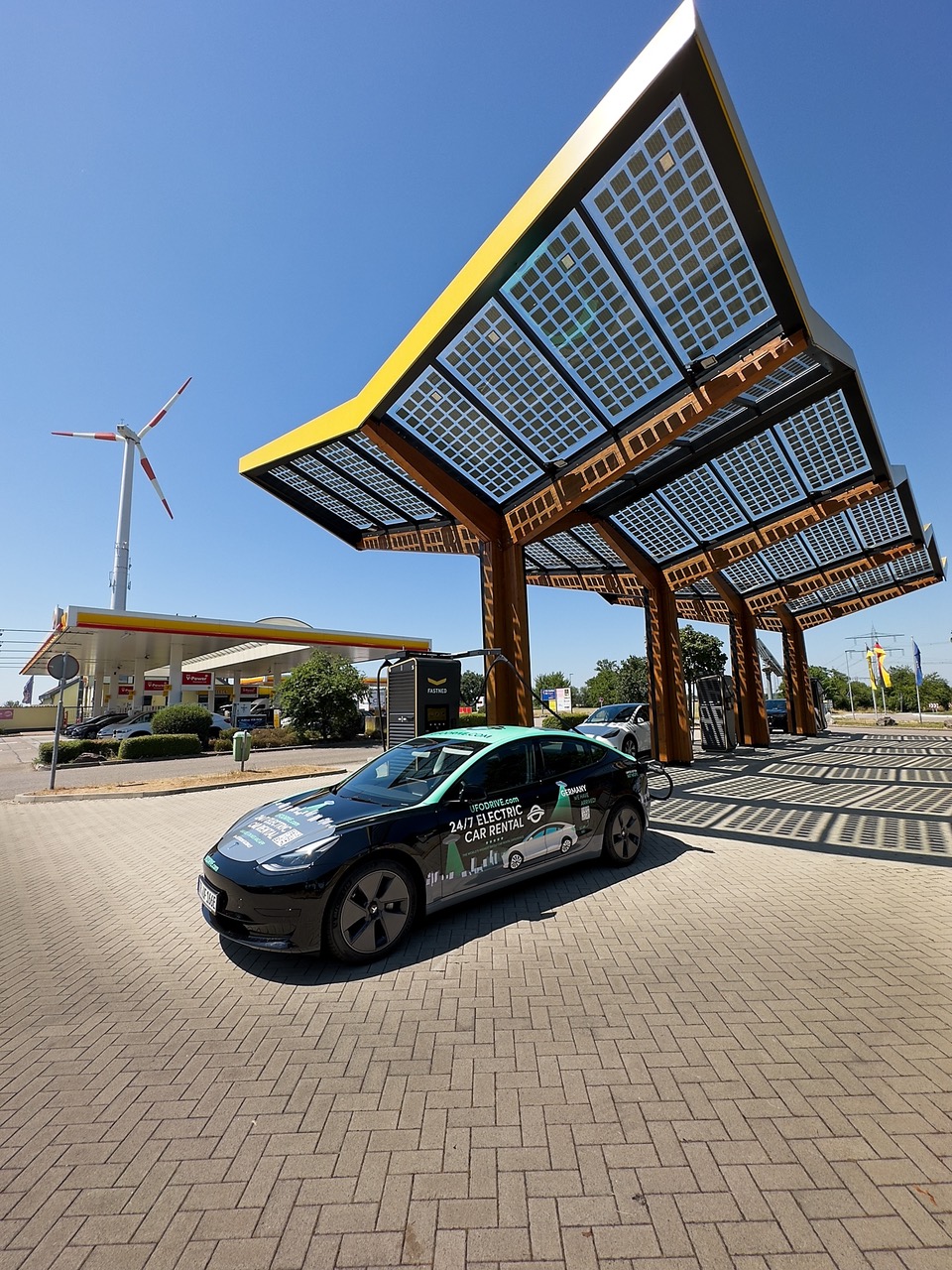
Many of the EVs that Hertz owns are used for its rideshare rental program with companies like Uber. As a recent investor conference in October, Hertz executives signaled that there are many factors that influenced its decision to pull back on EVs—even before the sale of 20,000 EVs was announced. The instigating factor seems to have been repair costs for rideshare EVs, which were much higher than expected. This is not maintenance costs, which Hertz notes are lower than ICE vehicles, but rather collision repair costs.
Federal grant will put charging stations along I-5 in Kern as part of ‘electric highway’
By
External Source
Each site will offer three types of chargers for different commercial and passenger vehicles. The station in the southern Central Valley, for example, will have 90 240-kilowatt chargers — half for passenger vehicles and the rest for commercial cars. It will also have nine MCS 1,200-kilowatt chargers for commercial freights.
“Both sites will offer a variety of publicly accessible high-powered charging options for both heavy-duty vehicles as well as passenger vehicles,” according to a news release from the air district, which noted both stops will offer public amenities like restrooms, a rest area and parking.

CfDs can make offshore wind a fundamental feature in a future decarbonized electricity market
By
External Source
Offshore wind projects incur up to 90% of lifetime cost upfront and have very low operational costs. To finance the high upfront capital needs, projects typically take on long-term loans with heavy debt-service commitments. The economic viability of these projects hinges on stable, long-term revenues – but markets cannot deliver those, because of their volatile nature and limited hedging options.

Uruguay’s green power revolution: rapid shift to wind shows the world how it’s done
By
External Source
Today, the country has almost phased out fossil fuels in electricity production. Depending on the weather, anything between 90% and 95% of its power comes from renewables. In some years, that number has crept as high as 98%. Uruguay, meanwhile, has moved on to what is becoming known as the second stage of its transition. It is gradually moving its buses and public vehicles over to electric, and incentivising taxi and minicab drivers to switch.
A Salute To The Chevrolet Bolt, 2023’s Underdog EV Champion
By
External Source
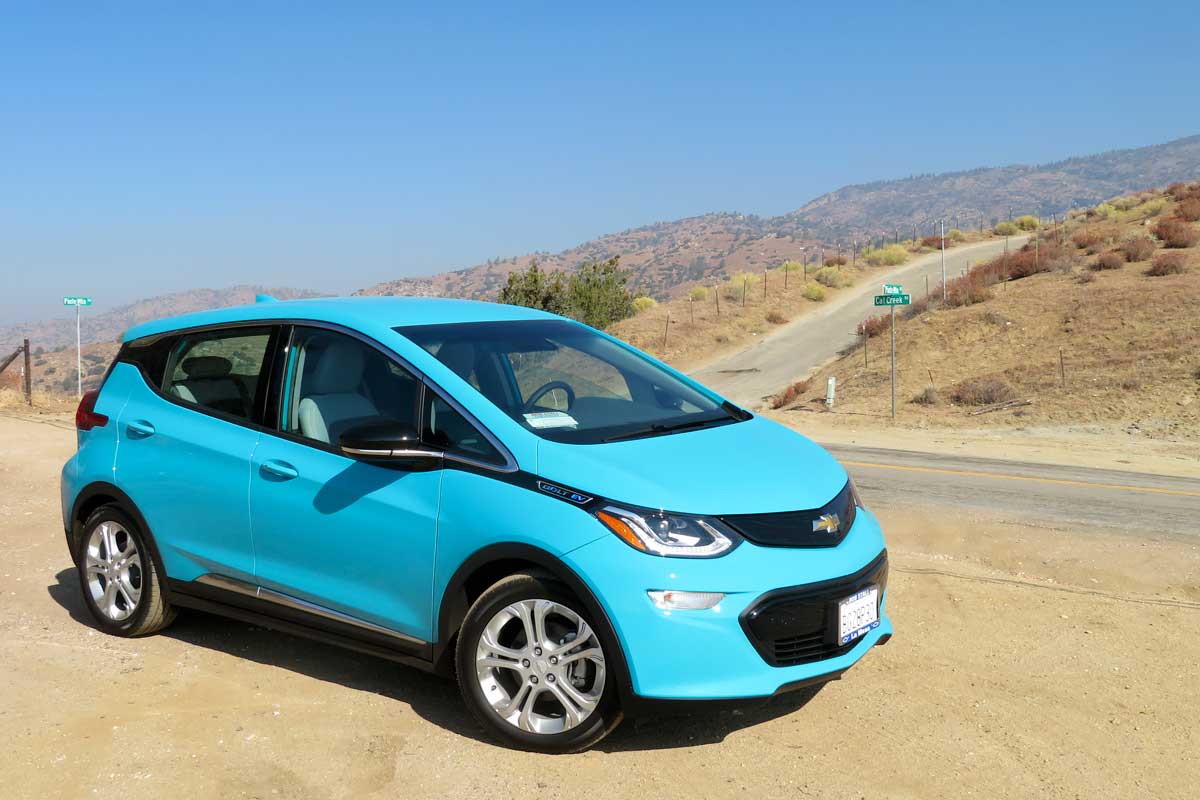
Discontinued, outdated and outclassed, the Bolt should've been a flop in 2023. Instead, it says a lot about what EV owners really want. To go deeper, just this year alone, the Bolt:
At one point saw its sales up 101% over the same period last year
Traded places with the Mustang Mach-E as America's best-selling EV behind the two volume-focused Tesla models, which is no small feat
Which translated to its best year of sales, ever
Was a leader in fleet sales as well, making it a zero-emissions hero for corporate and government operations everywhere
Got canceled
Then sparked a furor so intense that GM had to quickly about-face and un-cancel it
And will still be the only GM car eligible for the EV tax credit come Jan. 1, 2024

Chevy Bolt EV Battery Disassembly and Charging Limitations
By
External Source
Questions about the slow charging rate of the Bolt (compared to other cars) come up quite often. While the charging port being limited to 150A is often blamed, this is not the root cause. I firmly believe that the pack design (and not the cells) provides a very limited way of removing heat. If the pack were to be charged any faster, it could create unacceptable temperature gradients in the cells, which could cause severe degradation.

Hydrogen Is Just Another Hole for Natural Gas to Fill
By
External Source
As the grand ambitions for that last endeavor have begun to show signs of waning, the industry has once again pivoted, this time to embrace its potential as part of America’s climate future. When the Biden administration announced this year that its build-out of facilities for hydrogen—a fuel that could help reduce emissions from heavy industry—would have a starring role for natural gas, it was hardly a surprise: The industry appears to have worked hard to ensure its place.
Do electric cars pose a greater fire risk than petrol or diesel vehicles?
By
External Source
In Norway, which has the world’s highest proportion of electric car sales, there are between four and five times more fires in petrol and diesel cars, according to the directorate for social security and emergency preparedness. The Swedish Civil Contingencies Agency this year found that there were 3.8 fires per 100,000 electric or hybrid cars in 2022, compared with 68 fires per 100,000 cars when taking all fuel types into account. However, the latter figures include arson, making comparisons tricky.

How to kill clean energy transition in Canada
By
External Source
The aggressiveness of Alberta’s moratorium and advertising campaign suggests that the government is following a plan that involves softening up Albertans to the idea that renewable energy is bad. Policies to further obstruct investment opportunities in renewable energy will likely follow.
Through misinformation, damaging policy measures and exerting influence on AESO, the Alberta government will attempt to steer the once-booming renewable energy industry towards the same fate orchestrated by Ford’s Conservative government.
