Articles by
External Source


24/7 renewables: The economics of firm solar and wind
By
External Source
The analysis shows that the cost of firm renewable electricity has declined rapidly across all major technologies and markets. In high-quality solar and wind resource regions, co-located hybrid systems can already deliver round-the-clock electricity at costs competitive with - and in many cases below - those of new fossil-fuel generation. China currently defines the global cost floor, while costs in Brazil, India, South Africa, Australia, and the Gulf region are declining rapidly towards fossil-fuel cost parity.

Wind and solar have saved UK from gas imports worth £1.7bn since Iran war began
By
External Source
The UK has avoided the need for gas imports worth £1.7bn since the start of the Iran war, as a result of record electricity generation from wind and solar, reveals Carbon Brief analysis.
The surge in wind and solar output is cutting the need for gas-fired generation, which has been nearly a third lower than last year and fell to record lows in both March and April 2026.
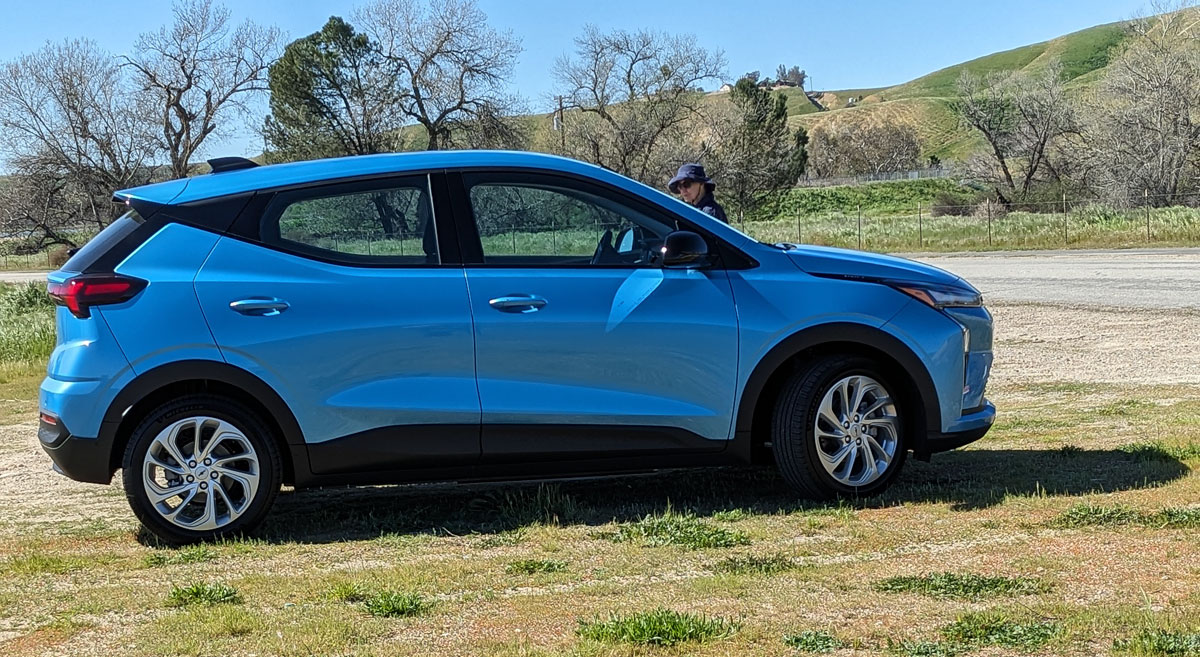
World’s Most Anticipated Vehicles of 2026: The EV That Fits Your Life
By
External Source
Paul Gipe had spent four decades studying and writing about the clean energy transition. As a renewable energy analyst and author, he will tell you there has never been a better time to own an electric car. When Chevrolet delivered his 2027 Bolt in February 2026, he approached it the same way he approaches everything: with data. (Note that this is a sponsored piece. I was not paid by anyone. My comments are from my web site.)

Electric vehicles pass tipping point, breaking the link with oil prices
By
External Source
The Hormuz crisis is a reminder of what concentrated energy dependence costs. The EV transition does not need it. The learning curve keeps falling, the platform keeps compounding, the economics keep improving. That is what makes this wave different.

NPR: How long do electric vehicle batteries actually last?
By
External Source
So how long do EV batteries last? It's still too soon to put a precise number on it, because — as a group — the cars already on the road haven't yet reached the end of the S-curve, the point when they will start to show massive performance declines. In other words, they're not dead yet. Meanwhile, battery technology keeps improving. The oldest EVs, like Hajjar's Model S, may not be the best indicator of how long newer EVs will last. Software systems to manage batteries have gotten more sophisticated. A lot of new EVs use a different battery chemistry — lithium iron phosphate or LFP — which lasts even longer than other lithium-ion batteries.

Paul Krugman: Renewable Energy and National Security–The wind and the sun don’t need to transit the Strait of Hormuz
By
External Source
Donald Trump’s attack on Iran will have many unintended and unforeseen consequences. One consequence even I wasn’t thinking about, but which is already clear after less than a week, is that Trump has made a strong new case for renewable energy. The usual argument for promoting solar and wind power is that relying on renewable energy avoids the environmental damage caused by burning fossil fuels. This environmental damage includes, but isn’t limited to, climate change. In addition, air pollution imposes shockingly large direct and immediate costs by harming our health and reducing our life expectancy.
But now we know that there is another reason for nations to reduce their dependence on fossil fuels: security. In a dangerous world, it’s infinitely safer to rely on the sun and the wind than to depend on fossil fuels that must be transported long distances, from nations that are untrustworthy, often exploitative and located in regions that frequently devolve into war zones. . . Donald Trump, hero of renewable energy? Who knew?

Donald Trump insists there are no wind farms in China. Here are 20 of them – in pictures
By
External Source
The US president has made the easily debunked claim that there are no wind farms in China
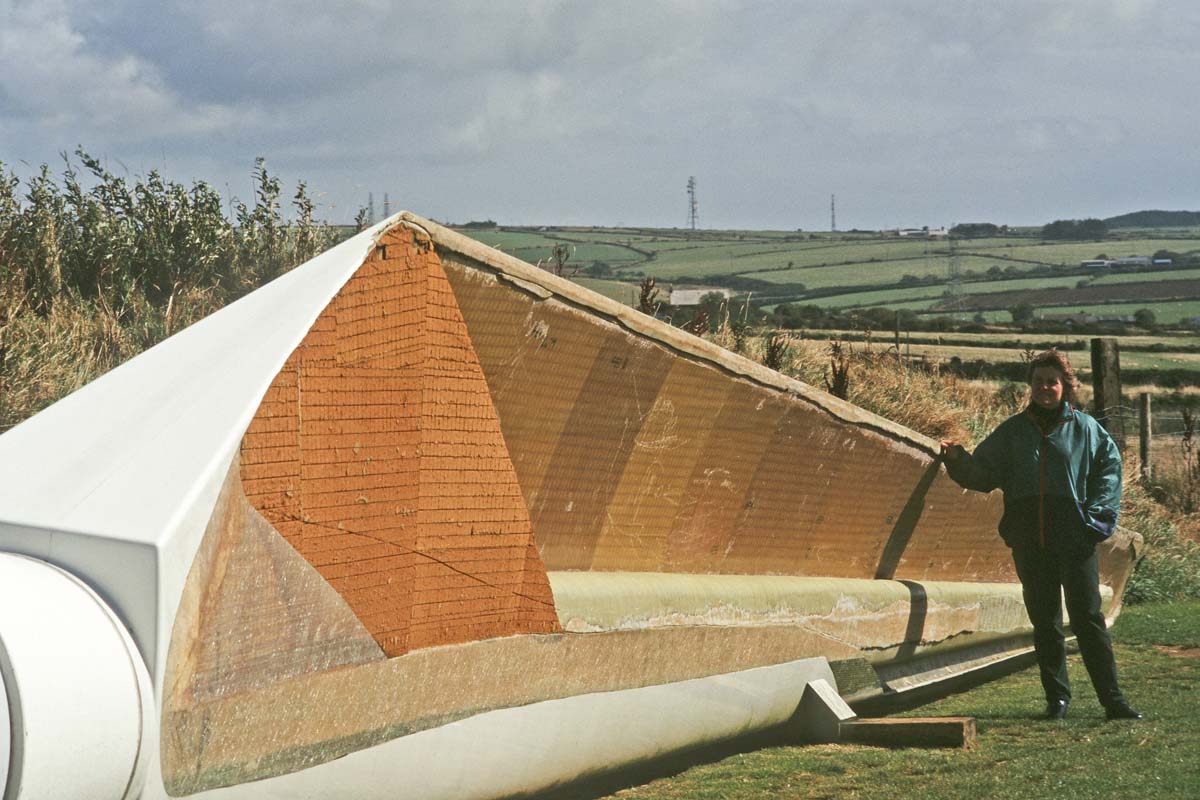
Does clean energy generate too much waste? Hannah Ritchie checks the data on climate action
By
External Source
But when you put the numbers in context, the picture is clear: waste from green energy sources is better than the alternative.
For example, when you burn coal, the leftover product becomes coal ash. Breaking down the data, Ritchie shows that coal generates 50 times more waste than solar power — and 500 times more than wind.
Coal ash is also highly toxic. In the United States, some power plants may dispose of coal ash in surface ponds or landfills, or discharge it in waterways.
Plus, the renewable energy waste problem may be solvable. Most parts of solar panels can be recycled, though countries need to invest in an efficient recycling system to make this happen.

Cold and expensive v hot, cheap and eco-friendly: the contrasting histories of home heating in the UK and Sweden
By
External Source
The new year in Sweden began with some record-breaking cold temperatures. Temperatures in the village of Kvikkjokk in the northern Swedish part of Lapland dropped to -43.6°C, the lowest recorded since records began in 1887.
Yet for the majority of Swedish households, heating is not an issue. Those living in the multi-household apartment blocks that characterise Sweden’s towns and cities enjoy average temperatures of 22°C inside their homes, thanks to communal heating systems that keep room temperatures high and costs low. For many households, heating is charged at a flat rate and included in the rent they pay.
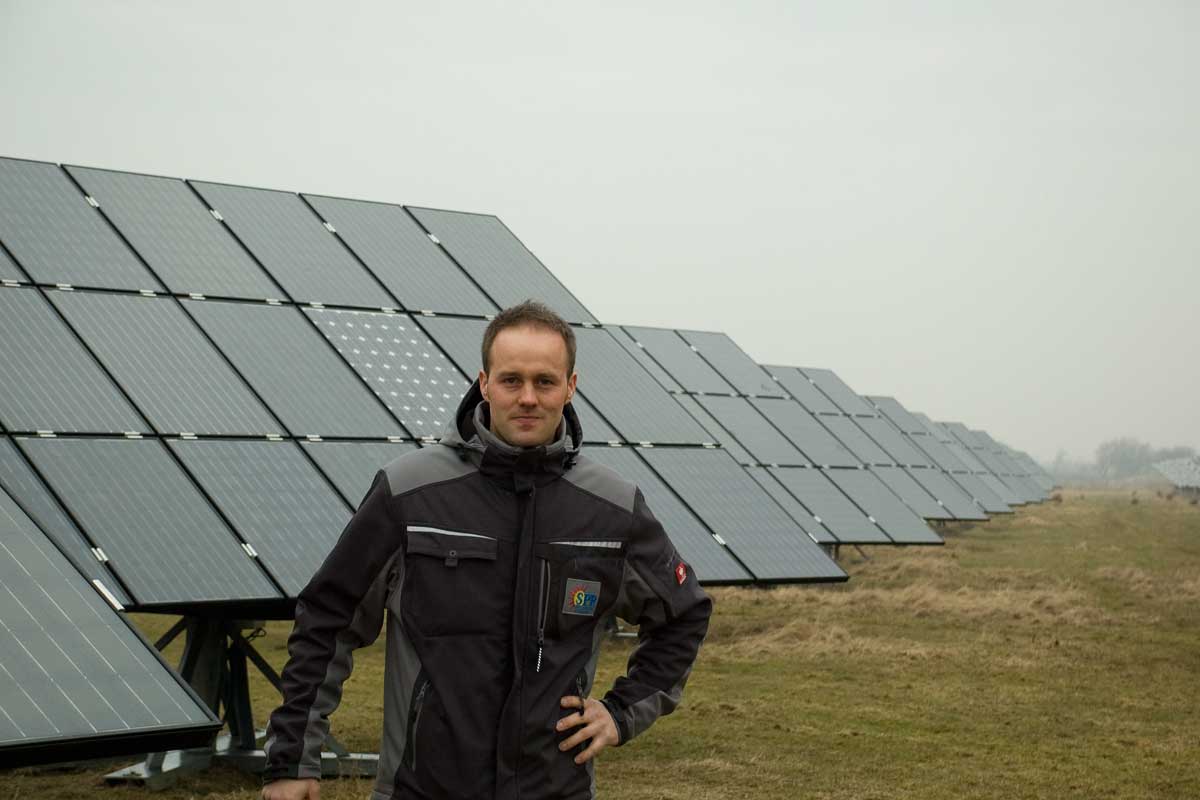
Turning Point: Wind and Solar Outstrip Fossil Fuels in Europe for First Time
By
External Source
Beatrice Petrovich at the Ember Energy Consultancy reports that for the first time last year, wind and solar generated more electricity in the European Union than did fossil fuels. It is another clear piece of proof that humanity can get to carbon neutral by 2050 if it wants to. The alternative is very bad for children and other living things. Combined, wind and solar generated 30% of EU power in 2025. That percentage was only 20% half a decade before.
Wind, solar and hydro accounted for 47.1% of electricity generation, nearly half, in the Eurozone.

Conservation Group Sues, Claims Feds Hiding Wyoming Wind Turbine Eagle Deaths
By
External Source
The Albany County Conservancy is accusing U.S. Fish and Wildlife Service of concealing eagle deaths in Carbon County. A biologist on the ground says golden eagle deaths are soaring due to wind farms. . . The Albany County Conservancy has filed a lawsuit in the District of Columbia to force the U.S. Department of the Interior and U.S. Fish and Wildlife Service to release all 1,166 pages of the incident reports about bald and golden eagle deaths and injuries related to the Seven Mile Hill, Ekola Flats, and Dunlap wind farms.
