News & Articles on Wind Energy
This is an archive of articles and news on both large and small wind turbines, wind energy & the environment, and links to topics on the history of wind energy.
I’ve been working with wind energy since 1976 and my professional experience in the subject runs the gamut from wind resource assessment to installing and testing small wind turbines. I continue to follow the industry and analyze its growth and increasing contribution to renewable electricity generation worldwide.
For newcomers to wind energy I’ve added pages from my previous books explaining terms used in the industry.
- 200 Term Multilingual Lexicon: The lexicon translates English terms into five different languages: Dansk, Deutsch, Español, Français, and Italiano.
- Glossary of Wind Energy Terminology: The glossary was written by Paul Gipe and Bill Canter in the late-1990s. I’ve added the glossary to my web site for both its historical content—many of the terms were in use during the 1980s and 1990s—and as a reference for the thousands of newcomers to the wind industry since it was first published.
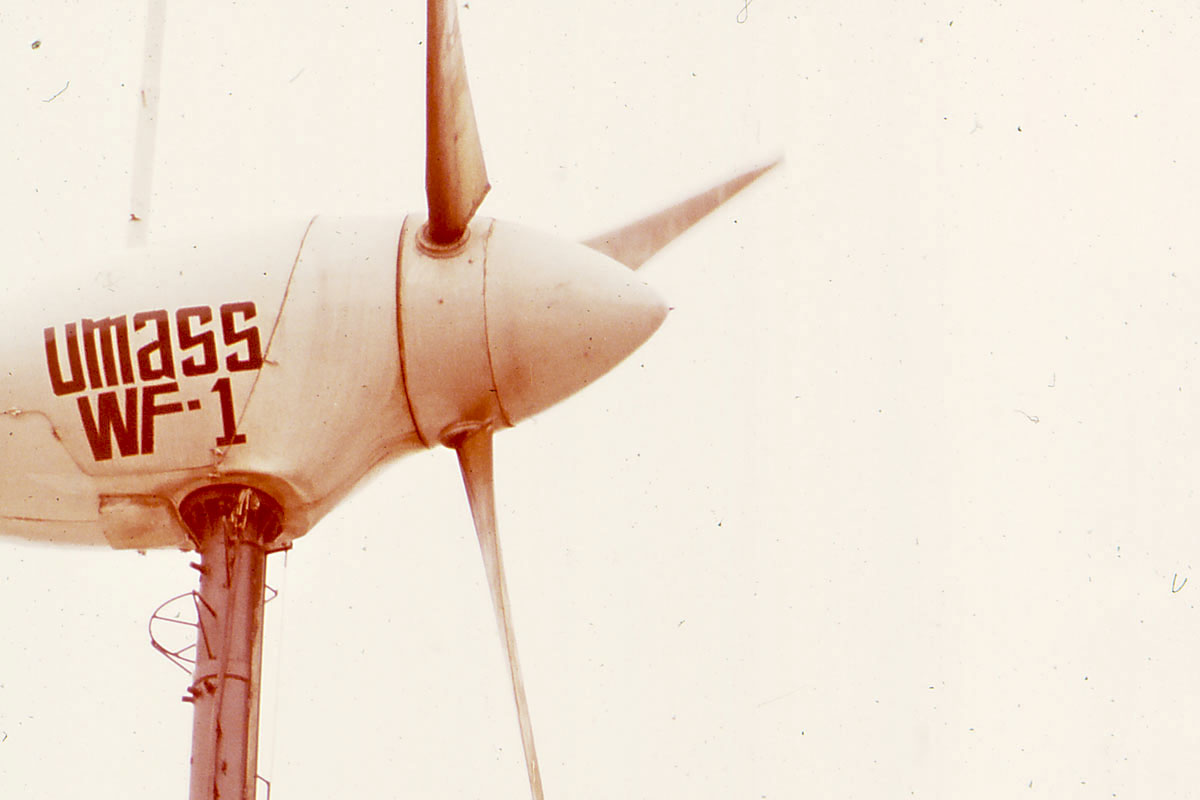
UMass Wind Furnace Photos Posted to Wikimedia Commons
By
Paul Gipe
In response to Peter Fairley’s excellent historical review of UMass’ Wind Furnace project in IEEE Spectrum, (See This 1976 University …
This 1976 University Experiment Spun Up the U.S. Wind Industry: A nuclear submarine veteran turned a truck axle into a turbine
By
Peter Fairley
Had he lived longer, the Captain would almost certainly have railed against current U.S. energy policy. The U.S. government has never backed wind power as generously as he’d hoped. Wind supplied 10 percent of U.S. generation last year—that’s half the share in Europe—with offshore turbines providing only a tiny sliver. Federal support for wind power has been in a stop-go cycle since Ronald Reagan’s administration, and it’s hit a low again under President Donald Trump, who has vowed to stop wind power cold. As Trump boasted to oil executives in January: “We have not approved one windmill since I’ve been in office, and we’re going to keep it that way.”

Donald Trump, Champion of Renewable Energy
By
External Source
The whole world now knows that relying on imported fossil fuels is a major economic and security risk. By contrast, the sun will shine and the wind blow whatever may be happening overseas. Renewables were already rapidly becoming cheaper than fossil fuels. Now it’s clear that they are also far safer. Thus Donald Trump has in practice become the world’s green energy champion.

Wind Energy Group’s MS-3 Turbines Still Extant on Cold Northcott Farm in 2025
By
Paul Gipe
In a recent article about the history of the modern British wind industry, I featured photos of the Wind Energy …
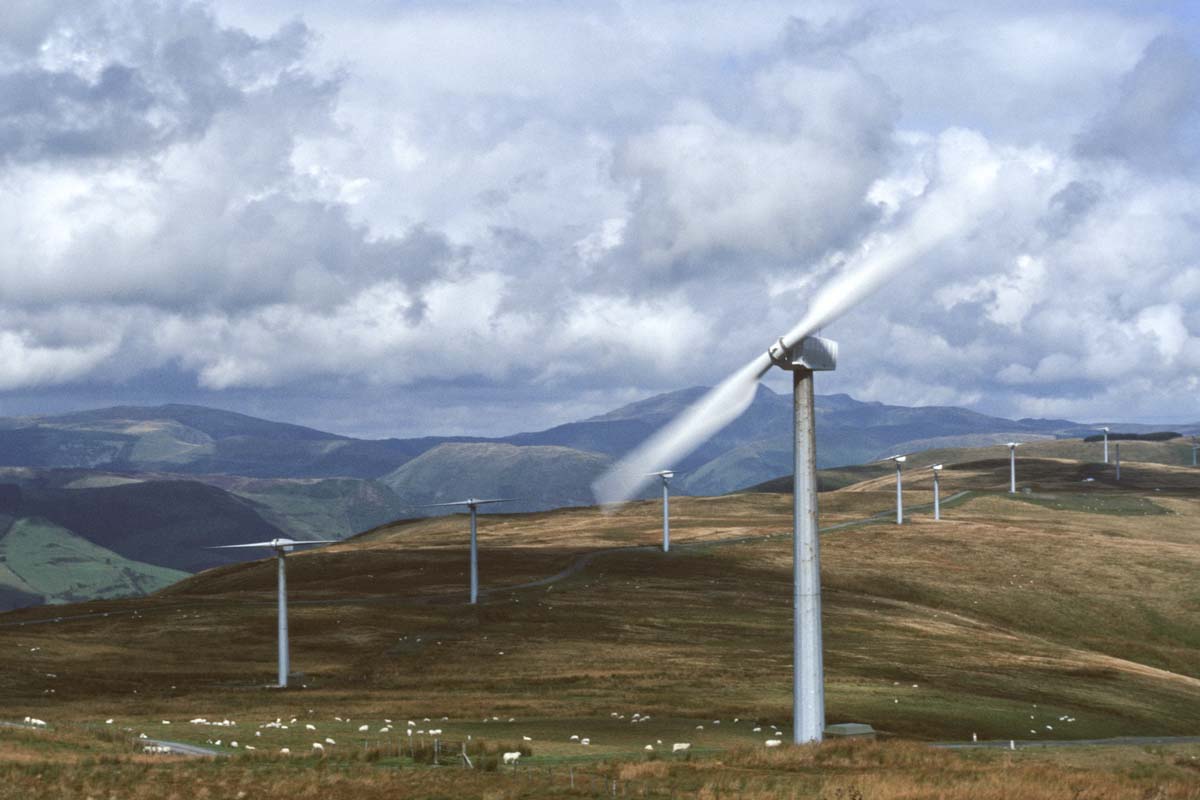
In the Wake of Wind—the British Wind Story
By
Paul Gipe
In The Wake of Wind is a powerful 33-minute color film that tells the dramatic story of the rise of …

